
Leonardo Coelho is a Brazilian journalist. He has written for outlets such as The New York Times, Dialogue Earth, Investigate Europe, Revista Piauí, Agência Pública, Rest of World, Bellingcat, BBC Brasil, VICE Brasil, Noisey, Correio Braziliense, UOL, Congresso em Foco and Ponte Jornalismo. As a photojournalist, he has collaborated for Estado de Minas, Lenny Letter, Newsweek, OZY magazine and Morgenbladet. Leo can be found on Twitter @leocoelho_jor.
---------
Leonardo Coelho é um jornalista brasileiro. Escreveu para veículos como o The New York Times, Dialogue Earth, Investigate Europe, Revista Piauí, Rest of World, Bellingcat, BBC Brasil, VICE Brasil, Noisey, Correio Braziliense, UOL, Congresso em Foco e Ponte Jornalismo. Como fotojornalista, já colaborou para o Estado de Minas, Lenny Letter, Newsweek, OZY magazine e Morgenbladet. Pode ser encontrado no twitter @leocoelho_jor.

After police say a man killed his two children and himself, some Brazilian outlets focused on unproven claims about the mother — raising questions about gender bias, online abuse and whether courts should order content removed.

Newsrooms big and small are embracing AI to translate, script and fact-check in real time. In a Knight Center round table, five top journalists examined its visible and hidden risks.
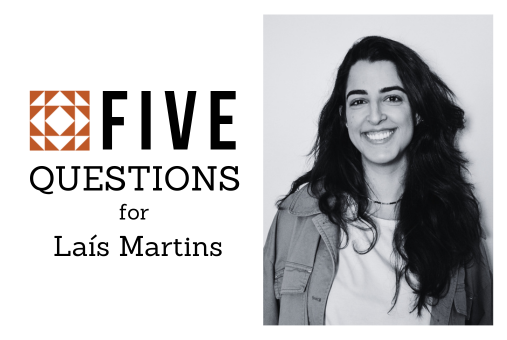
Laís Martins talks about uncovering the labor, politics and infrastructure behind AI—and what’s at stake for communities in the Global South.

After a fallen Brazilian bank executive was arrested for threatening to assault a journalist, a police operation exposed nebulous ties with politicians, judges and even the media.
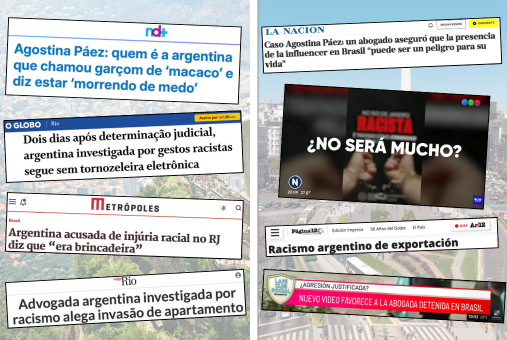
After an Argentine tourist was arrested in Rio de Janeiro, Brazilian outlets focused on her accountability. In Argentina, some centered instead on her vulnerability.

A report from Observatório Lupa finds AI-generated falsehoods have tripled since 2024, including videos blending real and fabricated clips, fake text exchanges and selfie videos targeting public officials.

Brazil’s celebrity gossip accounts, with larger audiences than legacy news outlets, are being used to promote favorable narratives about public figures outside traditional journalistic scrutiny.

A new law recognizing “multimedia professionals” has drawn opposition from labor unions, which warn it could undermine journalist protections in a time of job losses, automation and rising misinformation.
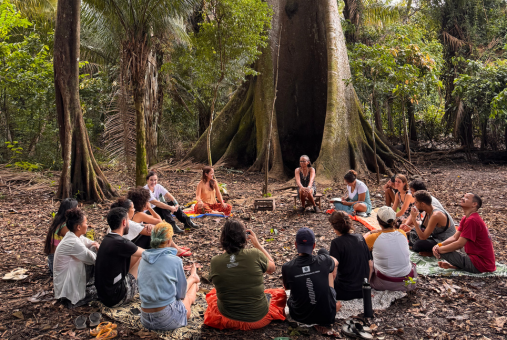
In Brazil, a new generation of storytellers is blending western journalism ethics with Indigenous narrative traditions, reshaping how the rainforest is seen and heard.
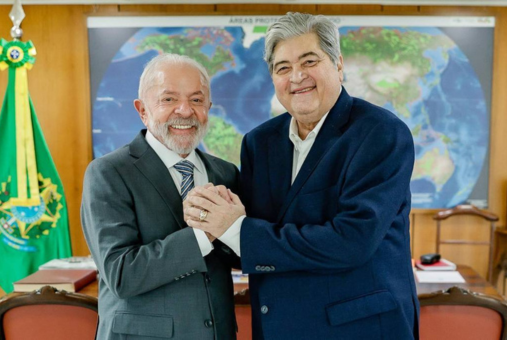
Journalists say José Luiz Datena’s sensationalist record and human-rights violations make him incompatible with EBC’s mission, and call his appointment political interference.