
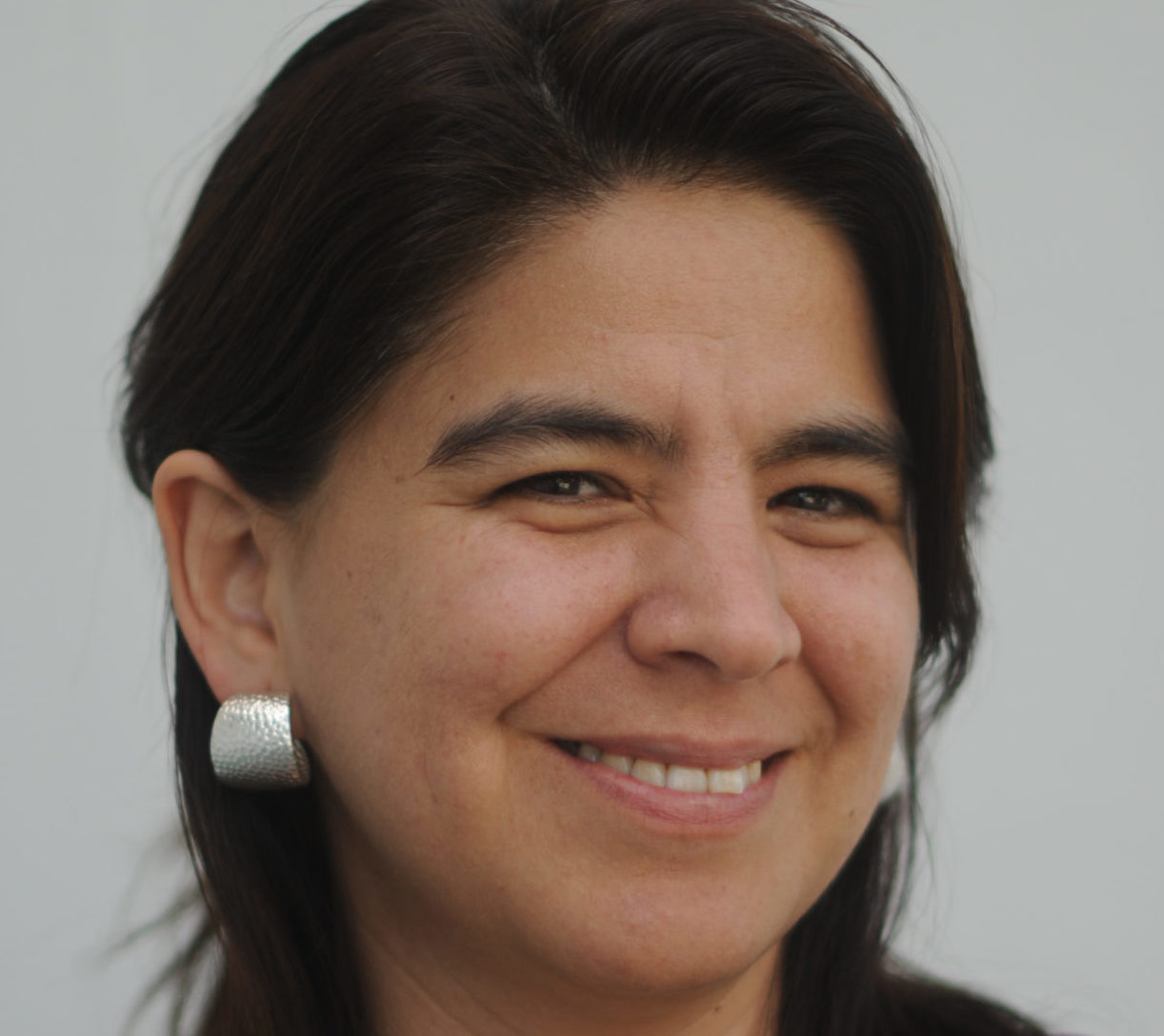
Peruvian journalist Paola Ugaz was criminally denounced for aggravated defamation by the Archbishop of Piura and Tumbes, José Antonio Eguren Anselmi.
A Colombian judge denied a tutela – a judicial recourse in the country to restore fundamental rights – filed by prosecutor Daniel Hernández against journalist María Jimena Duzán because of an opinion column, Semana magazine reported.
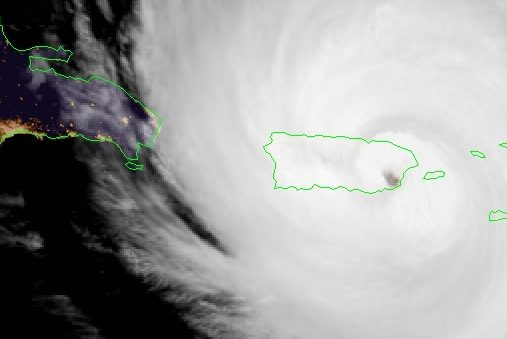
After the Puerto Rican government published that the passage of Hurricane Maria over the island left only 64 people dead, local media such as the Center for Investigative Journalism (CPI, for its initials in Spanish) began to question official statistics and to investigate further.
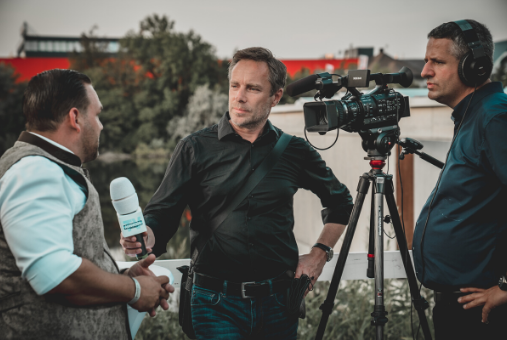
Arbitrary detentions and the cancellation and withholding of passports belonging to two high-profile Venezuelan journalists helped to mark September as another month in a long period of aggressions against the press in the country.
Brazilian journalist, lawyer and writer Otavio Frias Filho died Aug. 21 in São Paulo at the age of 61. Newsroom director for Folha de S. Paulo since 1984, Frias Filho was responsible for the modernization project that made the newspaper a reference around the world for journalism made in Brazil.
Brazilian journalist Claudio Weber Abramo, aged 72, died on Aug. 12 in São Paulo. A mathematician by training and a Master in philosophy, Abramo has been celebrated by his colleagues and friends as a pioneer of data journalism in Brazil and for his unshakeable defense of transparency and access to public information.
In Brazil, children's supplements in large newspapers were kids’ gateways to print journalism and the main space for the development of journalism for children and teens in the country for a long time, according to Juliana Doretto.
"With violence, there is no freedom of expression." This is the name of the campaign launched by the Mexican National Human Rights Commission (CNDH, for its initials in Spanish) with the purpose of raising awareness about the risks faced by journalists, the importance that their work fulfills in society, the need for them to be protected, and the high rates of impunity in cases of violence against them.
Cuban journalists confronting detentions, cyberattacks, blocking of their webpages and other aggressions now have a new manual to help address their physical, mental and digital needs.
Mexican reporter Emilio Gutiérrez Soto, who is seeking asylum in the U.S., was released by U.S. Immigration and Customs Enforcement (ICE) in El Paso on the afternoon of July 26 after seven months in detention.
Peruvian journalist Gustavo Gorriti, director of IDL-Reporteros, and his colleague and cofounder Romina Mella, presented a constitutional complaint for protection before the Constitutional Court of the Superior Court of Justice of Lima, for the continuous and aggressive demands toward their news site.
So at a time when government control over the media is increasing and news sites can be blocked or thrown offline, Dariela Sosa and her team decided to launch a newsletter instead. The result was Soy Arepita, a free email newsletter that makes its way to Venezuelans inboxes every morning, just in time for breakfast.