

Despite widely recognized as a diverse country, Brazil appears in the report as one of the three countries examined in a recent Reuters Institute report where there is not a single non-white editor in the sample, along with Germany and the UK.
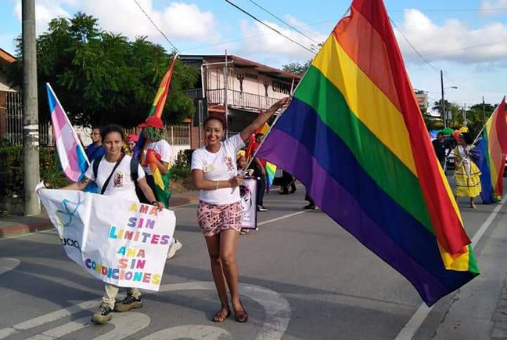
“Living leaves a mark” is the motto of the new digital magazine Impronta (Imprint), founded and directed by LGBT journalists from Central America and launched on March 7.

The Knight Center online course in Spanish, “Diversity in the news and newsrooms,” is now available online for free as a self-directed course. Any person from anywhere in the world can now access and take the course at their own pace.
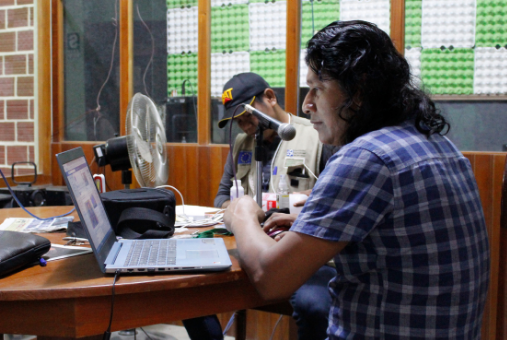
Despite the fact that community stations stopped broadcasting in this pandemic, Radio Ucamara, at 98.7 FM, continued with its mission of revitalizing and recovering the Kukama language and culture.

The website, in Portuguese and Spanish, aims to raise awareness and inform about the climacteric, a period that lasts more than a decade.

The narrative journalism podcasts Praia dos Ossos and The Red Note start with crimes committed decades ago, to address a reality that persists in the region: systemic violence against women and a macho culture that blames the victims
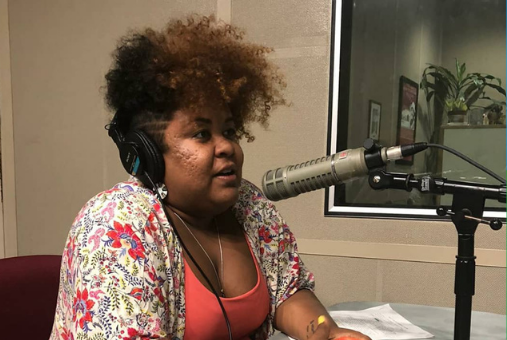
To counteract the lack of diversity inside the press, many Black media outlets and collectives have emerged in recent years in the country, to give visibility to the anti-racist struggle and to do journalism with a racial perspective.

Twelve women journalists from Latin America and the Caribbean were named by our community of readers and journalists as part of the #JournoHeroes campaign organized by the International Women's Media Foundation (IWMF).
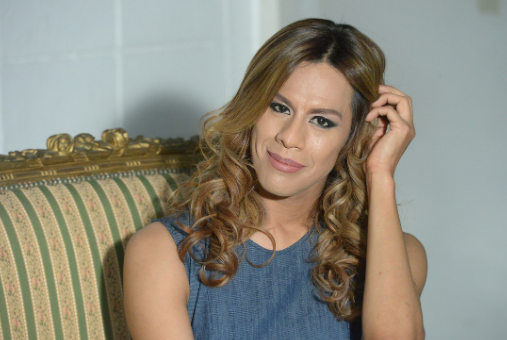
LJR caught up with Zurco to find out how the public has reacted to her start, the evolution of her work and her relationship with colleagues.

Alice Bastos Neves, 36, presenter of Globo Esporte and reporter for RBS TV, an affiliate of Rede Globo, shared her breast cancer diagnosis with the public and presented the program with her head shaved. See the journalist's interview with LJR.
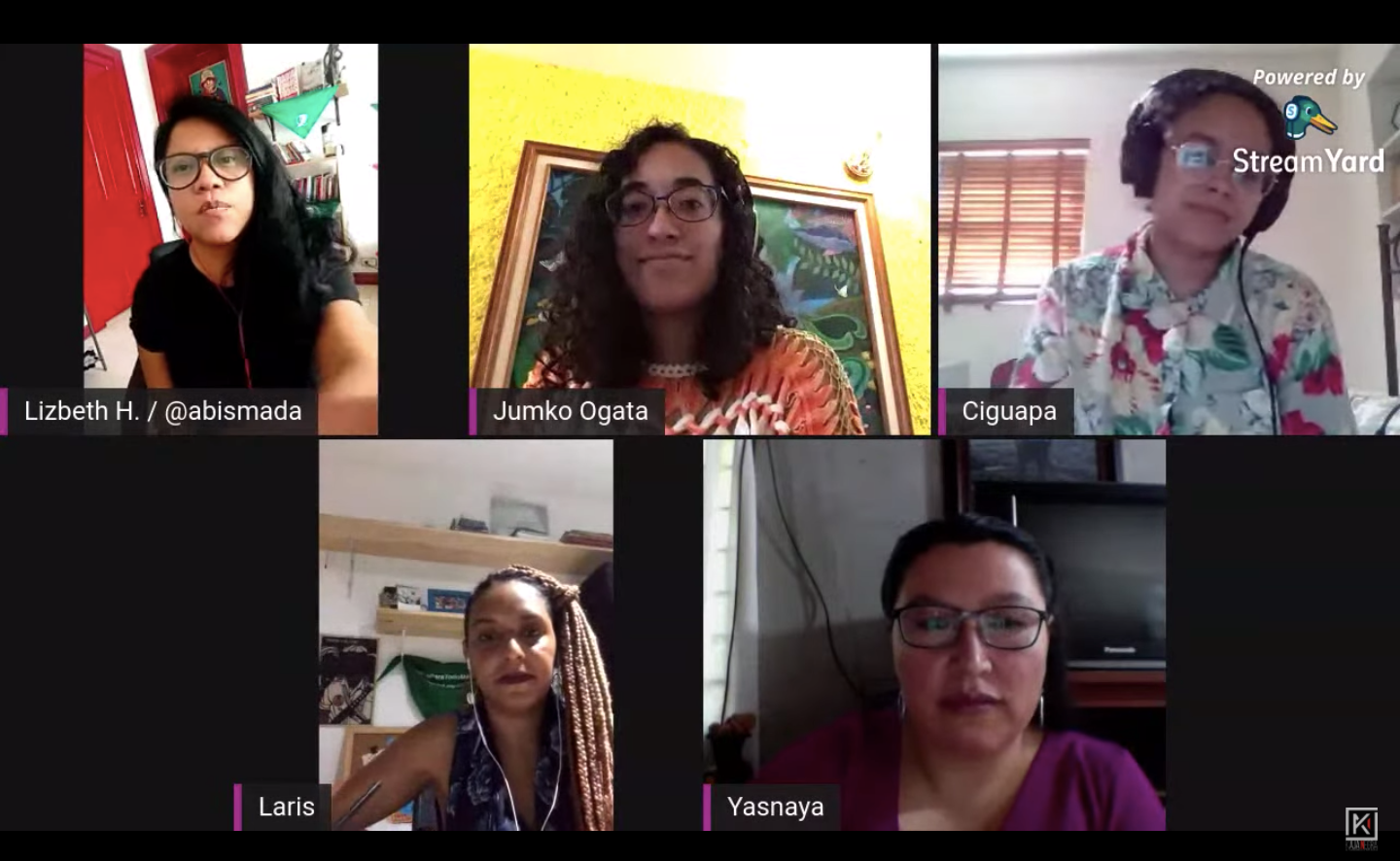
This is part two of an article addressing racism and the coverage of racial violence in Latin American newsrooms. To read part one, click here. Recent coverage of racism and racial violence in Latin America has drawn attention to not only the need for this coverage, but the need to have more Black and […]
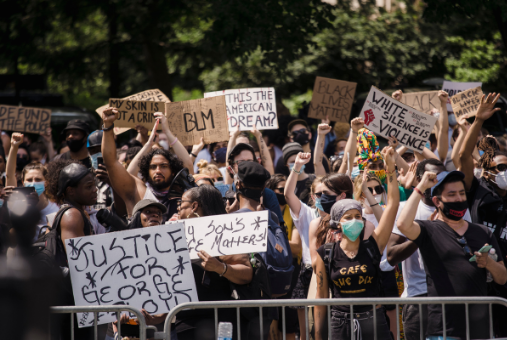
In recent months, headlines in media outlets from Cuba to Brazil highlight the murders of Black and Indigenous men and youth, placing them in the context of a notorious case that had global repercussions.