
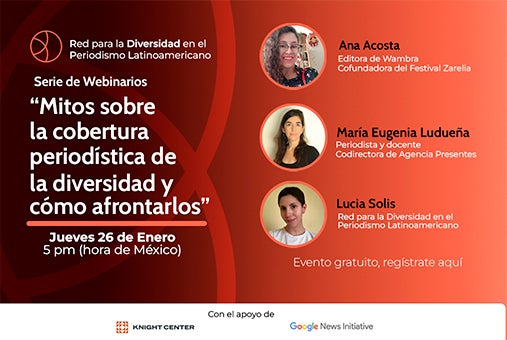
The newly formed Red para la Diversidad en el Periodismo Latinoamericano (Network for Diversity in Latin American Journalism) is hosting a series of four webinars to promote diversity in Latin American newsrooms and the news and content they produce. The first webinar, “Myths about journalistic coverage of diversity and how to deal with them,” will take place on Jan. 26 at 5 p.m. CST.
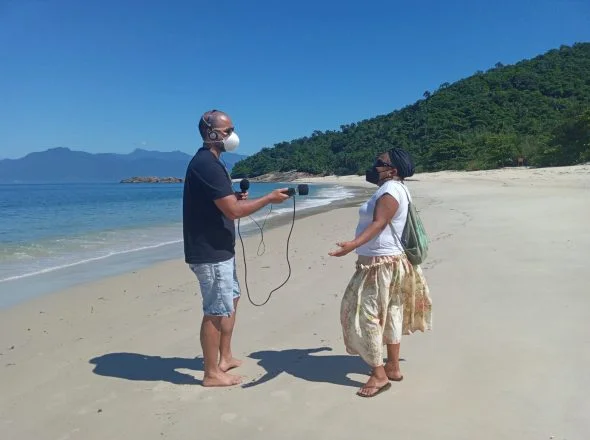
In addition to the podcast, the Querino Project has a series of feature articles published in the Piauí magazine. More than 40 professionals worked for two years and eight months on the research and production. Inspired by the New York Times' Project 1619, Querino brings an Afro-centric look at the history of Brazil to contribute to the understanding of the country's current political and social challenges.
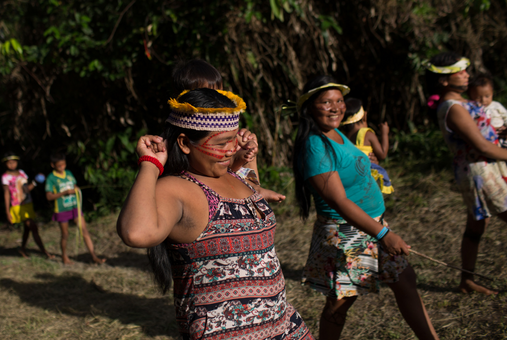
Edilma Prada, founder of Agenda Propia, and Juan Manuel Jiménez Ocaña, expert in interculturalism and Indigenous education, share recommendations to portray with dignity the knowledge, values and ways of life of Indigenous peoples.
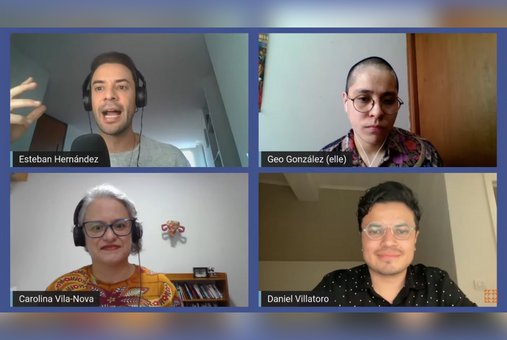
To make women and LGBTQ+ people more present in coverage and in positions of power in the media, journalists need to have 'uncomfortable conversations' with colleagues, managers and themselves, Geo González (Mexico), Carolina Vila-Nova (Brazil), Daniel Villatoro (Guatemala), and Esteban Hernández (Colombia) said.
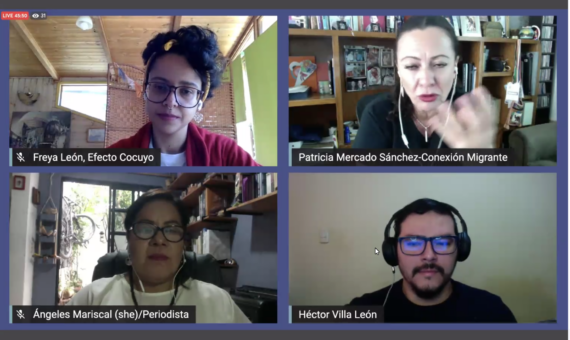
Self-exploration exercises, including immigrant journalists in newsrooms and telling stories for immigrants (and not only about immigrants) are some of the tips to promote a more diverse and inclusive coverage of immigration, according to panelists who took part in the Second Latin American Conference on Diversity in Journalism.
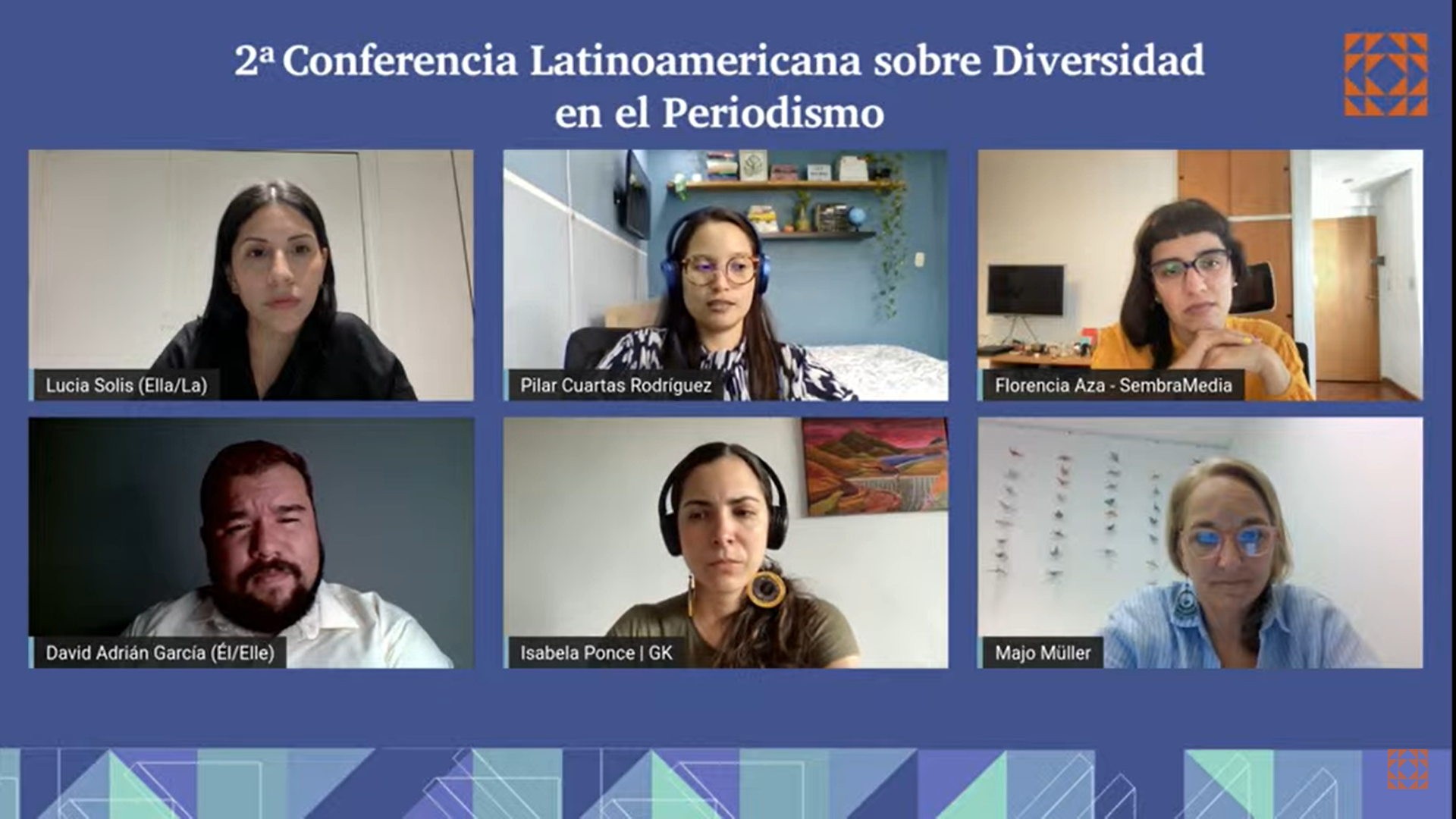
The fourth panel of the Second Latin American Conference on Diversity in Journalism entitled "Diversity in Journalism" presented products and initiatives that promote diversity, equity and inclusion (DEI) in Latin American journalism. According to the panelists, diversity can be promoted by both traditional and independent media, as long as it is done rigorously.
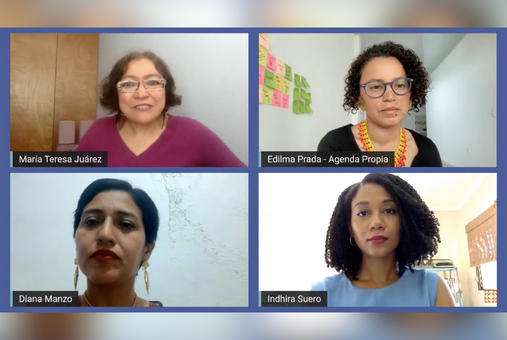
Given the narratives of hate and the invisibilization that Indigenous, Afro-descendant and Black communities suffer in Latin America, journalists must give them a voice, know their realities and avoid their re-victimization, Diana Manzo, Indhira Suero and Edilma Prada, members of the first panel of the 2nd Latin American Conference on Diversity in Journalism, said.

In Brazil, where 43.2% of the population identifies as white and 55.7% as Black, newsrooms are composed of 77% white employees. Research shows that a lack of diversity affects news production and journalists themselves.
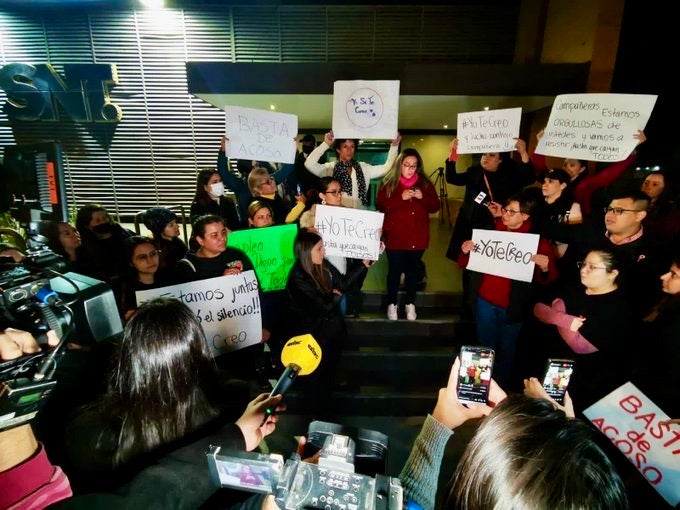
The Paraguayan Union of Journalists and press collectives are defending the rights of the country's women journalists and female media workers to report harassment in the newsroom and not be fired as a result, which has been the case recently.
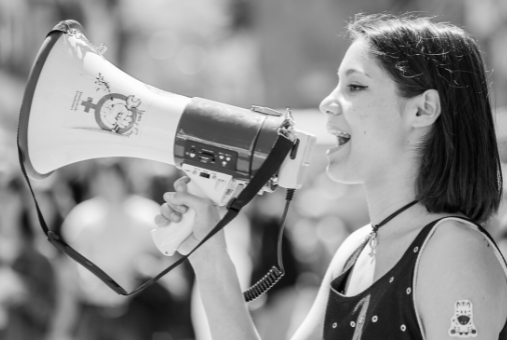
Investigative journalism often uncovers illegalities and injustices and contributes to the securing of and access to rights. In the case of gender inequalities, investigative journalism also plays a crucial role. A university in Mexico seeks to fill the gap in training on this topic through an online course in investigative journalism with a gender perspective.
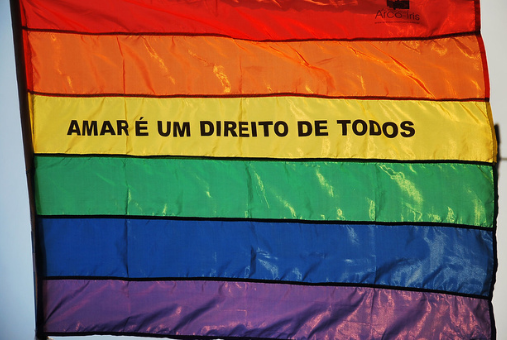
The movement to give more focus and increase the visibility of LGBTI+ issues is important, but journalists must be careful not to reproduce misinformation or stigmatize groups that have historically been vulnerable and silenced. Camilla Figueiredo, co-founder of the independent, non-profit organization Agência Diadorim, in Brazil, talks about best practices in content production and in the search for specialized sources on the subject.
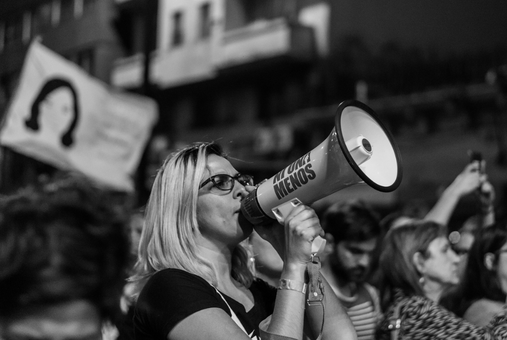
The social movement created in 2015 after a case of femicide that shocked Argentina also caused profound changes in journalism in the country: “gender editor” roles were created in several news outlets and the approach to themes related to diversity, equity and inclusion (DEI) was strengthened.