
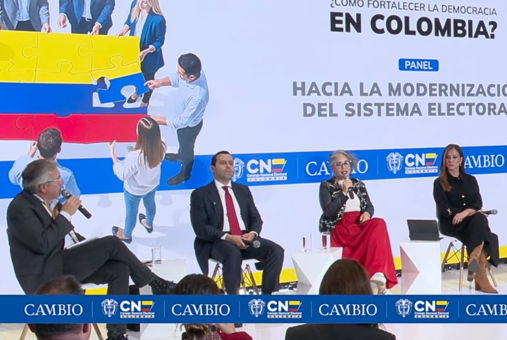
Following its return in 2022, the Colombian magazine has spearheaded events with companies and public entities that are now key to its sustainability.
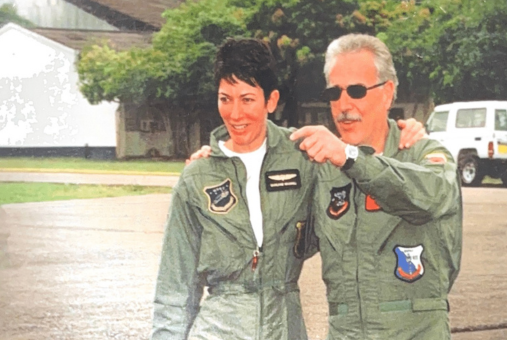
A group of 171 women is demanding answers from former President Andrés Pastrana about photos and records tying him to Jeffrey Epstein and Ghislaine Maxwell. They say the government and most media outlets have failed to properly scrutinize him.
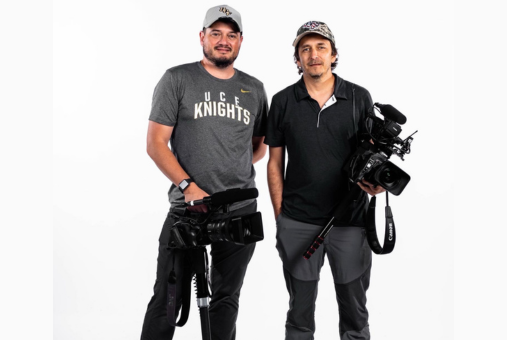
Wounded in the attack that killed Brent Renaud in Ukraine, Colombian American photographer Juan Arredondo speaks with LJR about grief, mental health and the documentary honoring slain journalists.
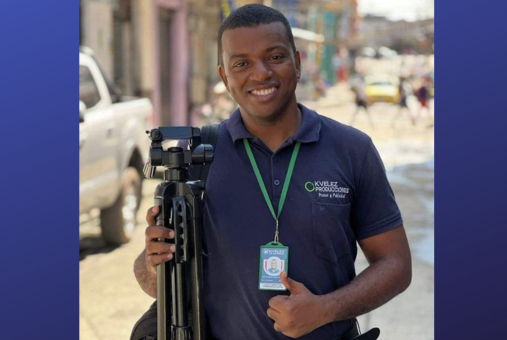
For Luis Núñez, journalism is an act of love and community service. He anchors two newscasts on Colombia’s Pacific coast and sells viche liquor, knowing he can’t live off journalism alone.
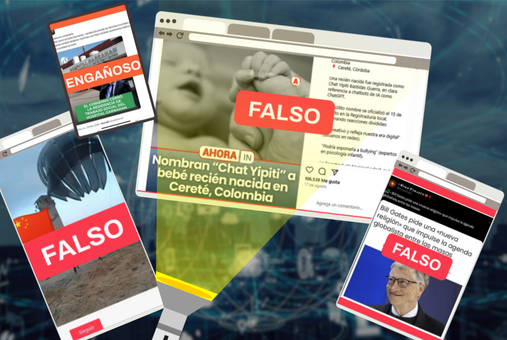
With help from MediaFact Latam’s mentorship program, outlets with scarce resources are building flexible teams to take on bot farms and fake videos.
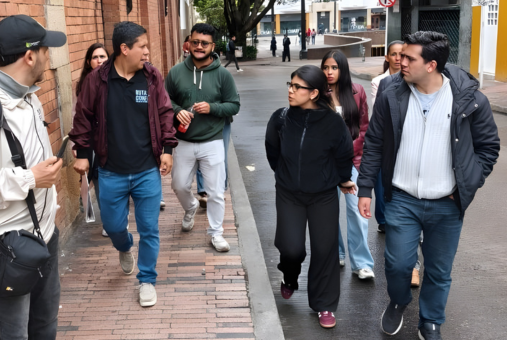
Rutas del Conflicto is taking its investigations beyond the screen, offering tours to create a niche audience, diversify its business model and promote historical memory.
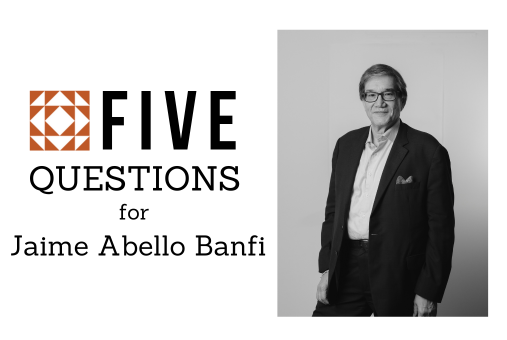
Jaime Abello Banfi's work at the helm of the Gabo Foundation earned him a Special Citation from the Maria Moors Cabot Prize. In an interview with LJR, he discussed the state of journalism, the disillusionment between journalism and audiences and the foundation's future.
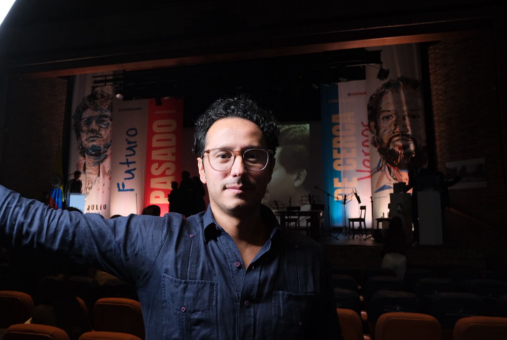
For Daniel Chaparro Díaz, a personal quest to understand his father's murder has become a professional mission to preserve the memory of Colombian journalists killed for their work.
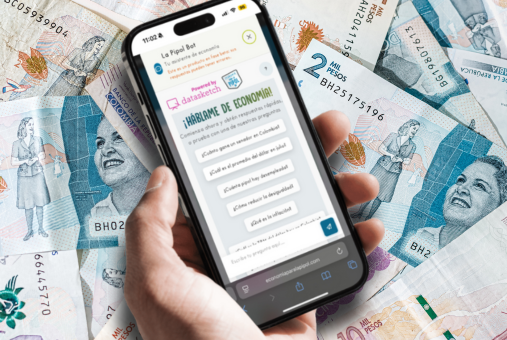
News site Economía para la Pipol teamed up with tech firm Datasketch to build an AI-powered, fact-based bot to make business and economic news easier for everyone to understand.
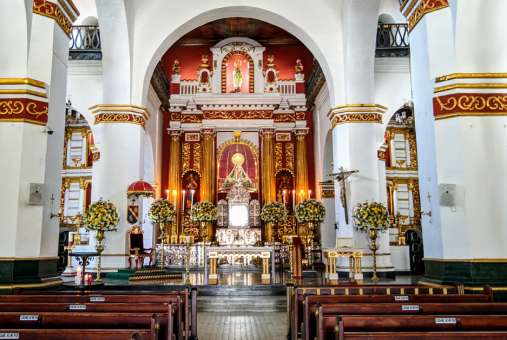
A ruling by the Constitutional Court sided with two journalists seeking to unlock the Catholic Church’s 'secret archive' on investigations into priests accused of sexual abuse. Church officials say the ruling goes too far.
Nine military personnel were sanctioned for monitoring and profiling 130 people, including 30 journalists. But for investigative outlet Rutas del Conflicto, the punishment overlooks long-term harm.
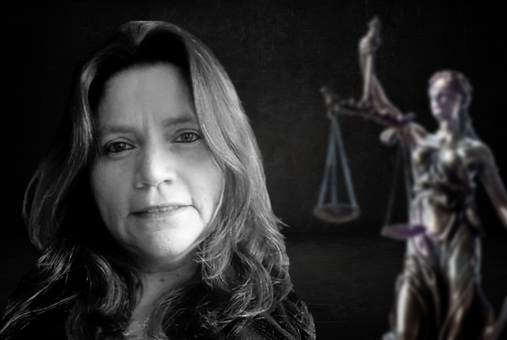
Claudia Duque has spent two decades fighting for justice after being spied on and threatened by government agents. So now that the state is finally offering an apology, why is she refusing to accept it?