Thirty five years ago, African journalists gathered at a UNESCO seminar in Namibia affirmed the importance of an independent, pluralistic and free press to democracy.
The resulting document, known as the “Declaration of Windhoek,” was the impetus for the 1993 UN General Assembly to proclaim May 3 as World Press Freedom Day. Now in its 32nd year of commemorations, this year’s UNESCO conference marking the date will be held in Zambia, returning to the Global South with a focus on “shaping a future at peace.”
“[Press freedom and independent journalism] are forces for the future and cross-cutting enablers of peace, resilience and democratic governance,” UNESCO wrote in a concept note for this year’s celebrations. “By fostering access to reliable information, accountability, dialogue, and trust, they are key to peace, economic recovery, sustainable development, and human rights.”
Yet, press freedom and journalism are currently facing unprecedented threats and challenges.
Freedom of expression has declined by 10% globally since 2012, according to UNESCO. The agency noted that the decline is “comparable in scale to the most unstable periods of the 20th century,” including WWI, WWII and the Cold War.
At the same time, it said the world is also experiencing growing armed conflicts, information manipulation and interference, efforts to control or restrict media, violence against journalists and resulting impunity, economic precarity of independent media and disruptions of information ecosystems driven by digital platforms and artificial intelligence. As a result, self-censorship rose 63% since 2012.
In the midst of these challenges, UNESCO calls on journalists, digital rights advocates, policy makers, civil society, academia, content creators and others to find solutions for strengthening information ecosystems.
“[Peace] can only be achieved by the quality,
diversity, inclusiveness and integrity of information ecosystems,” UNESCO wrote. “Journalism, when free, safe and sustainable, contributes to conflict prevention, informed public debate, social cohesion and democratic governance.”
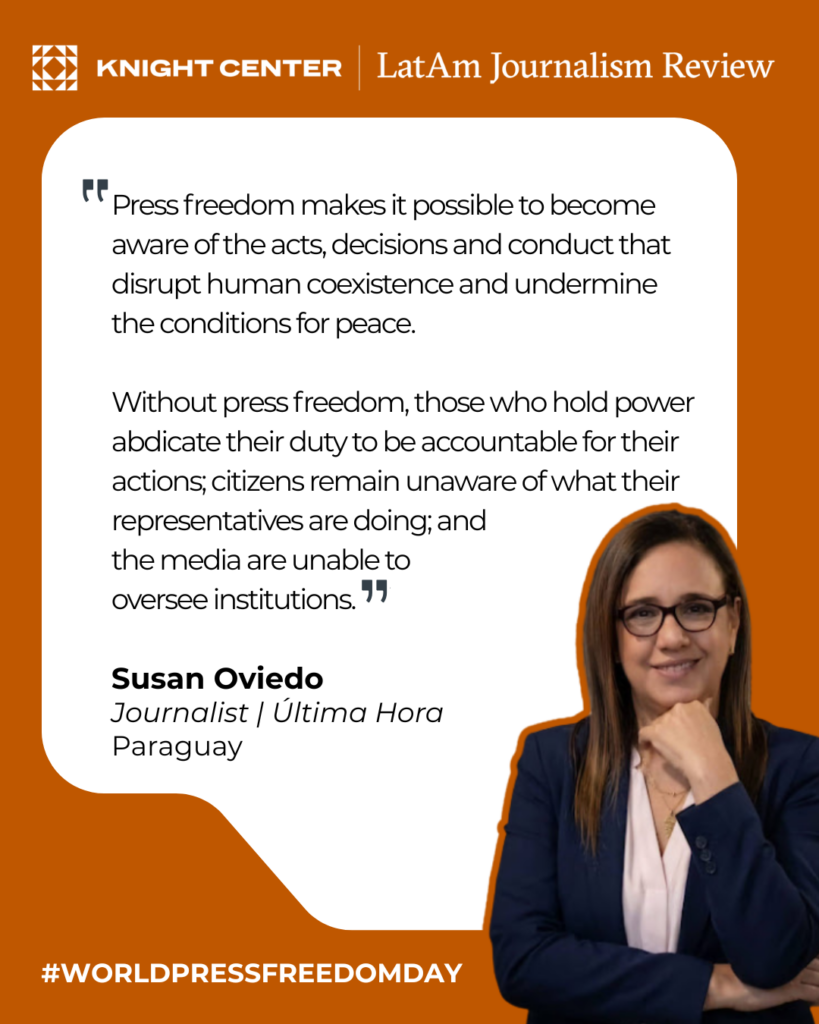
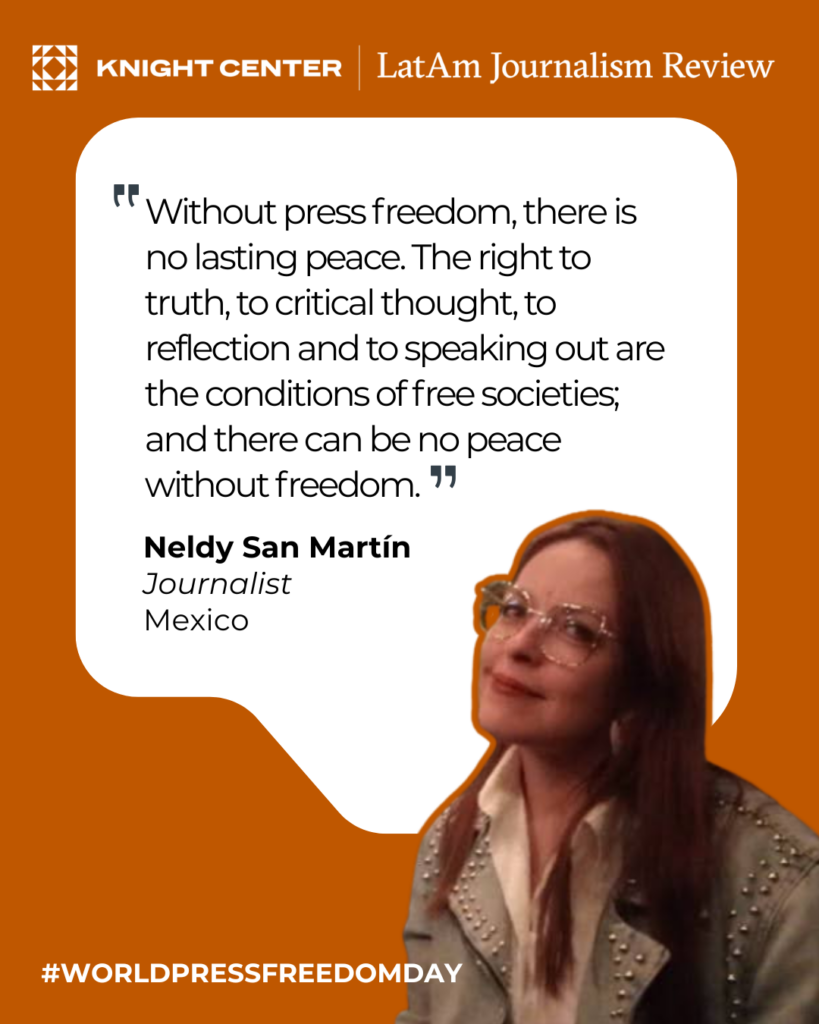
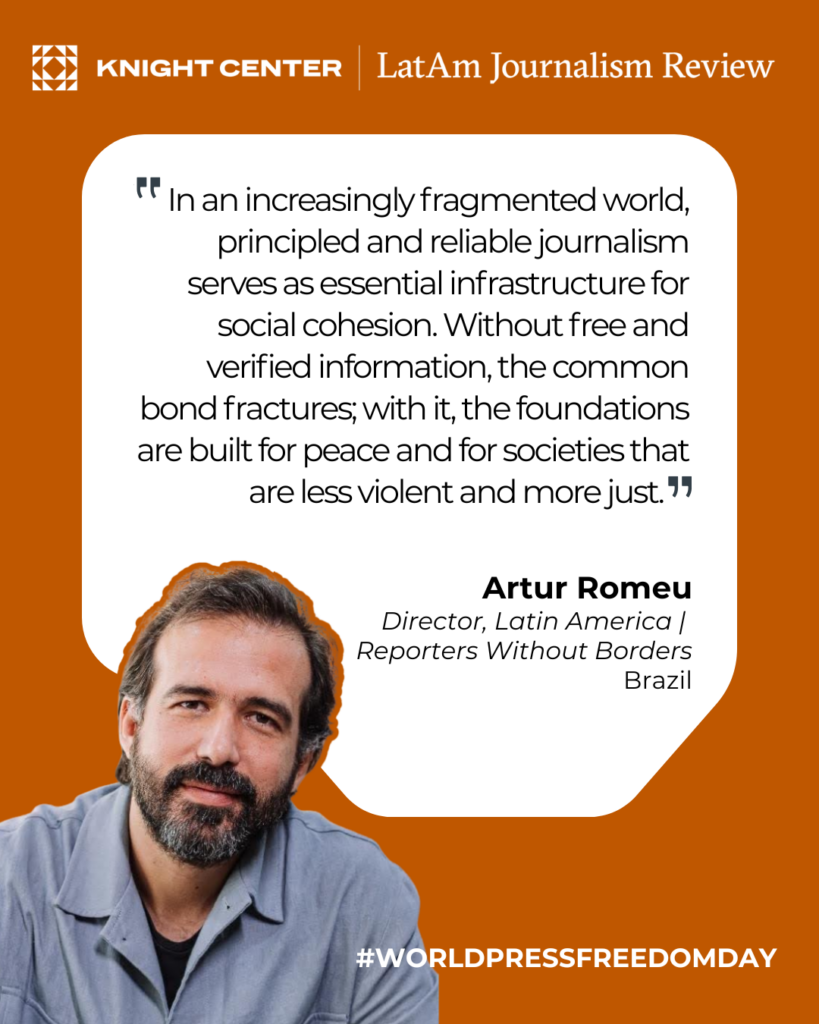
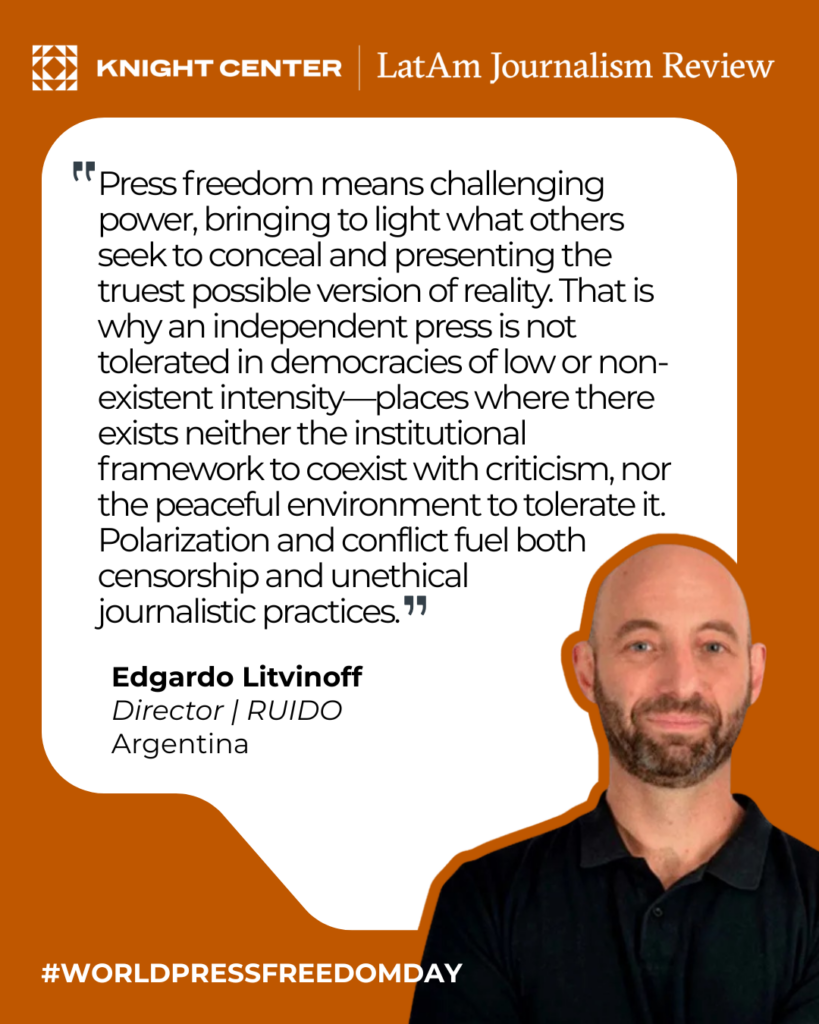
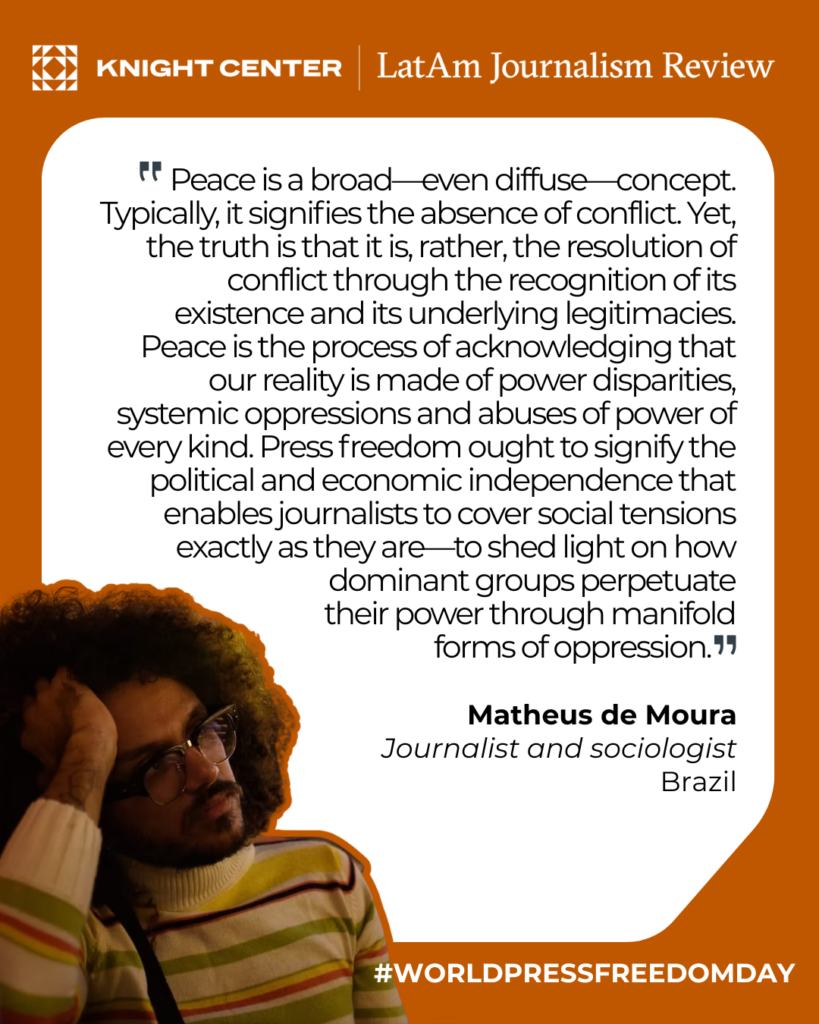
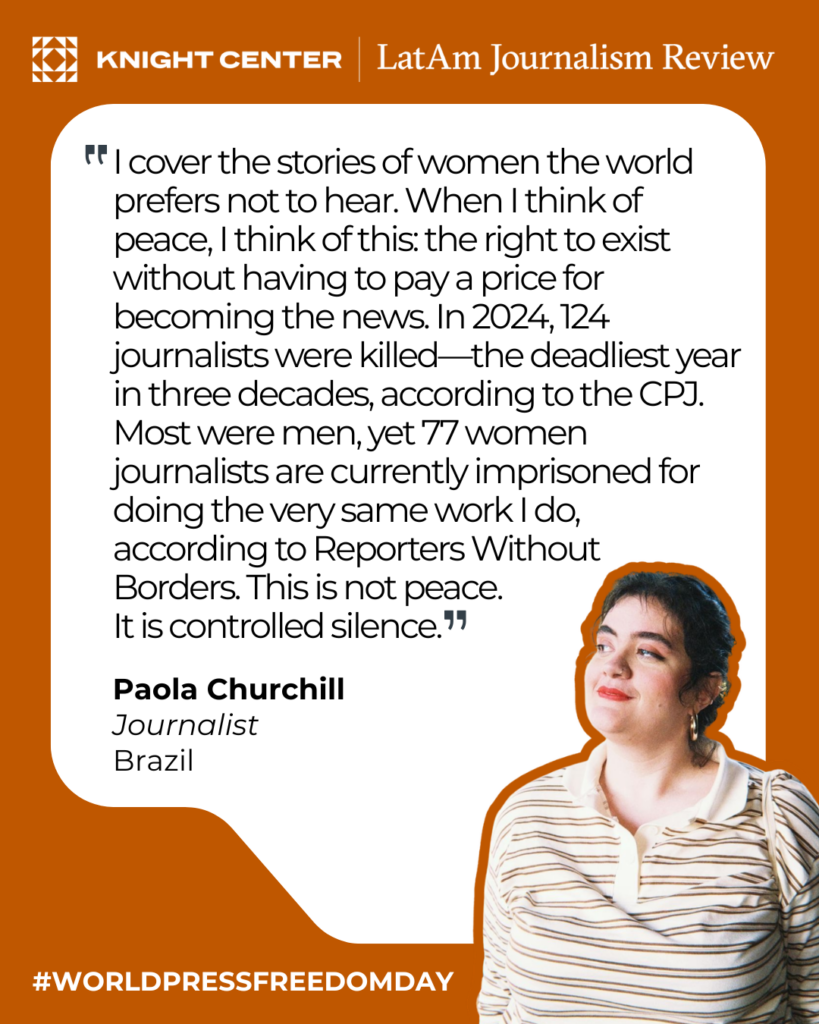
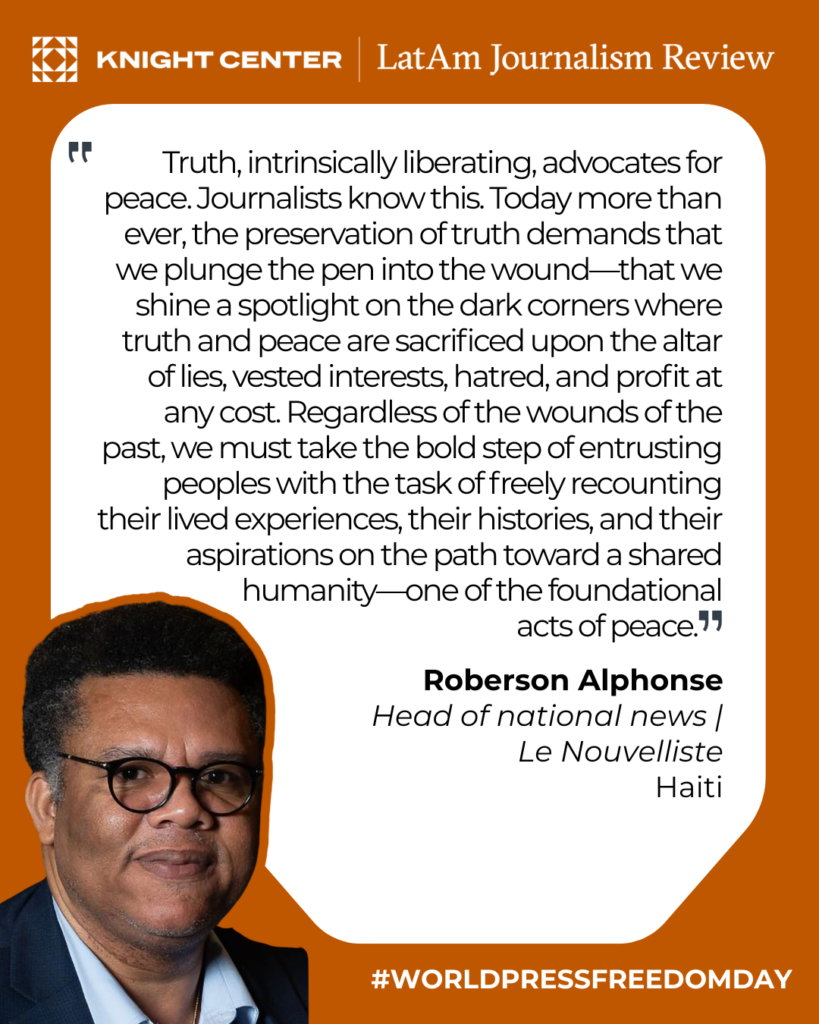
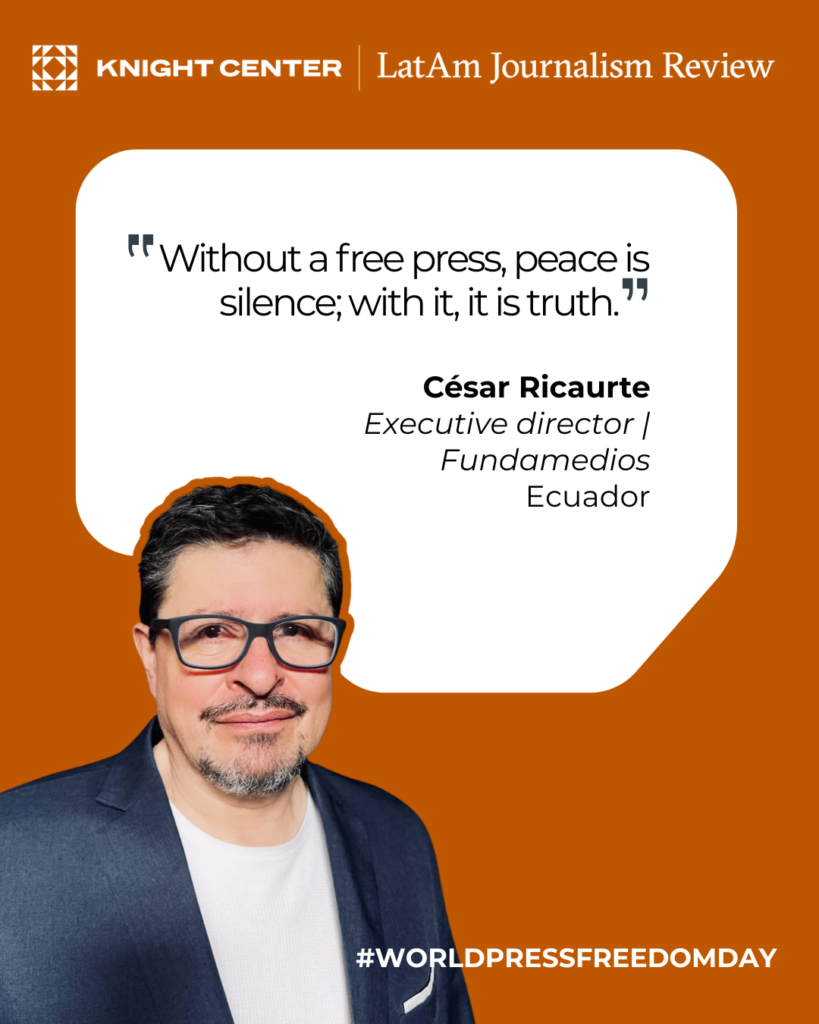
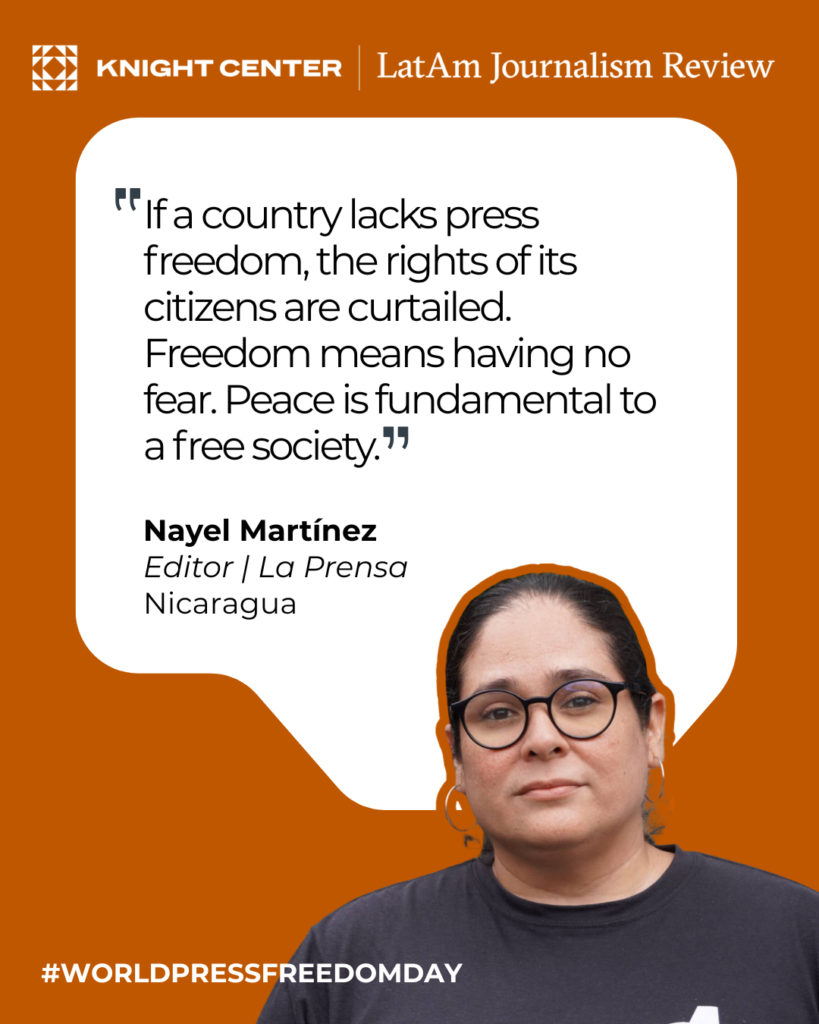
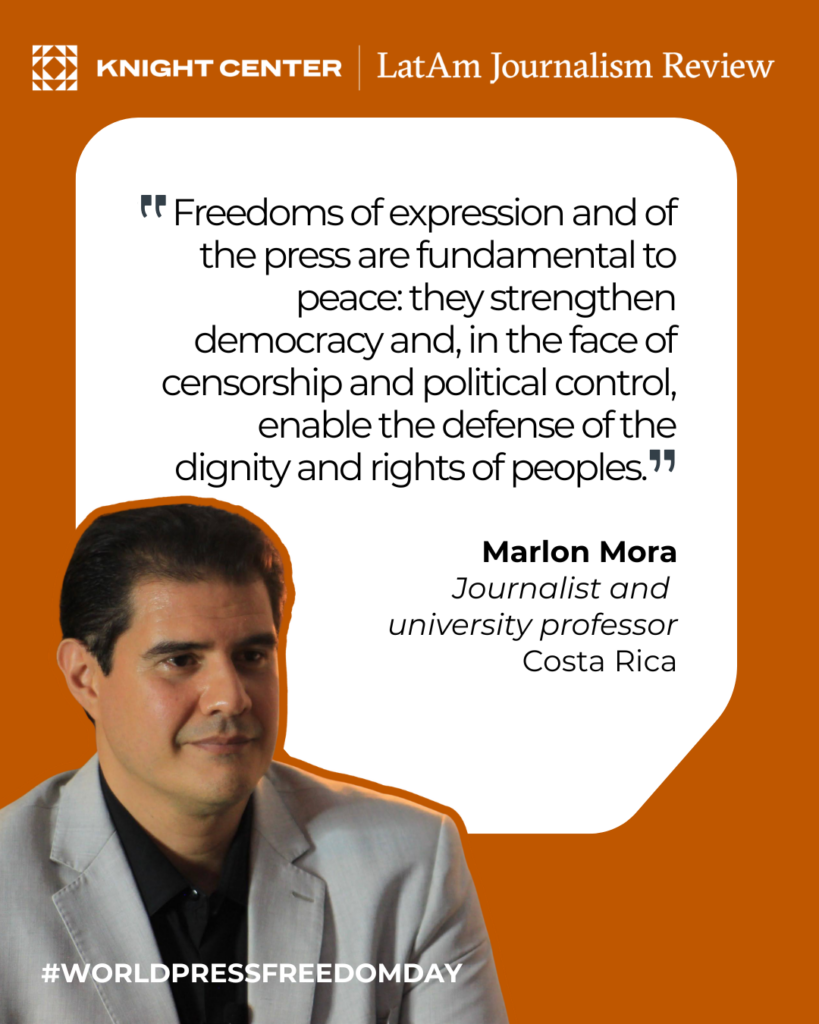
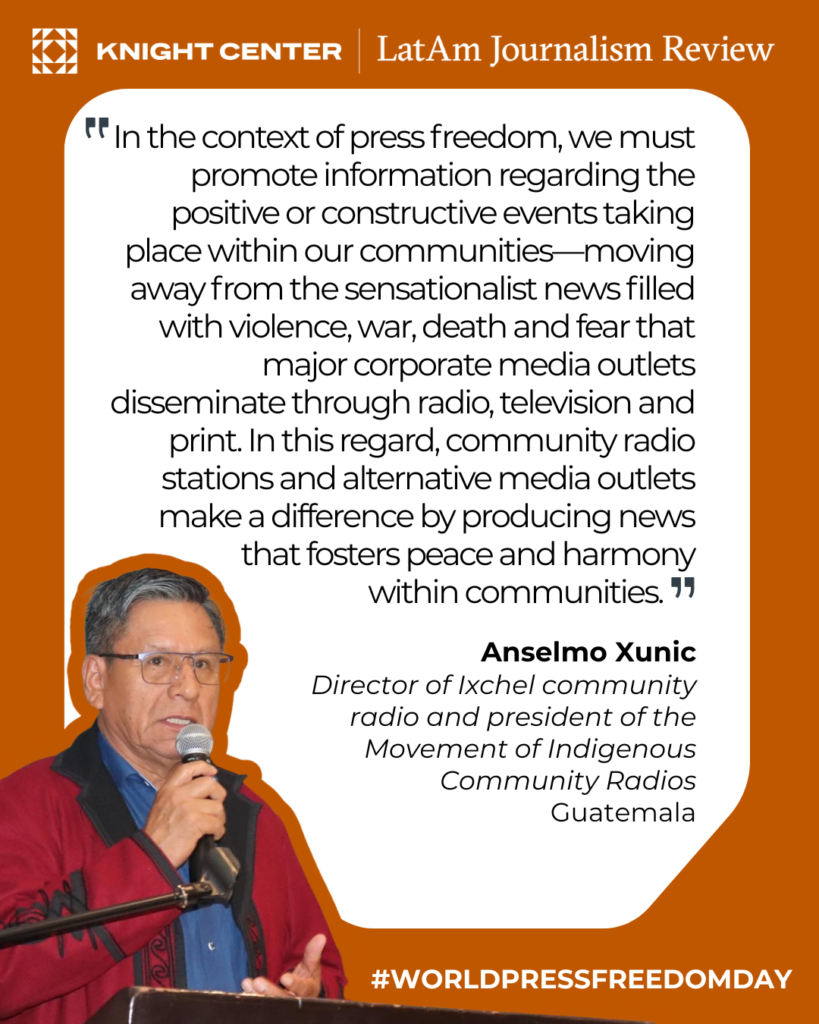
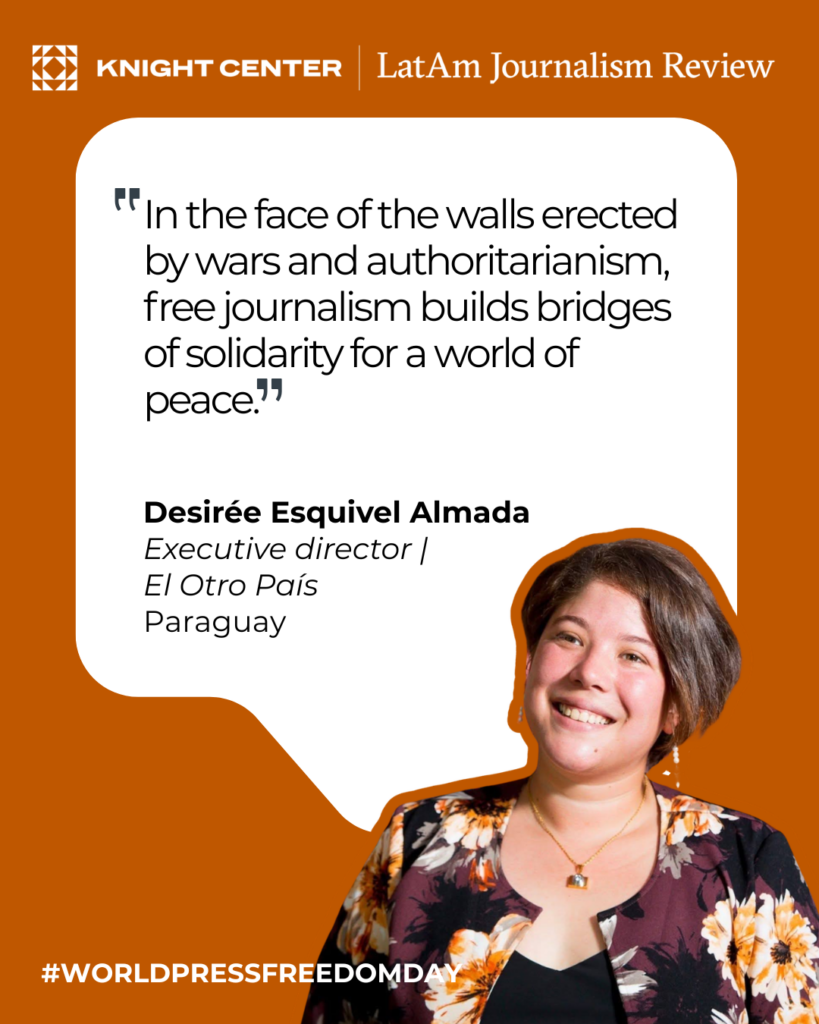
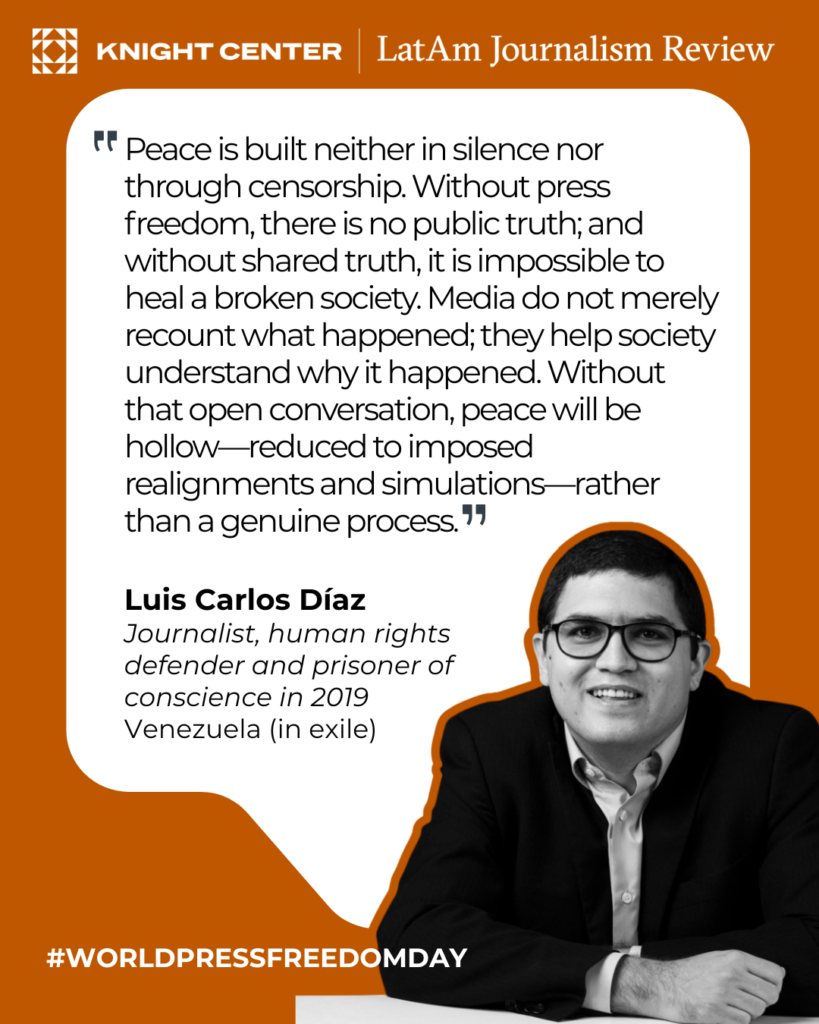
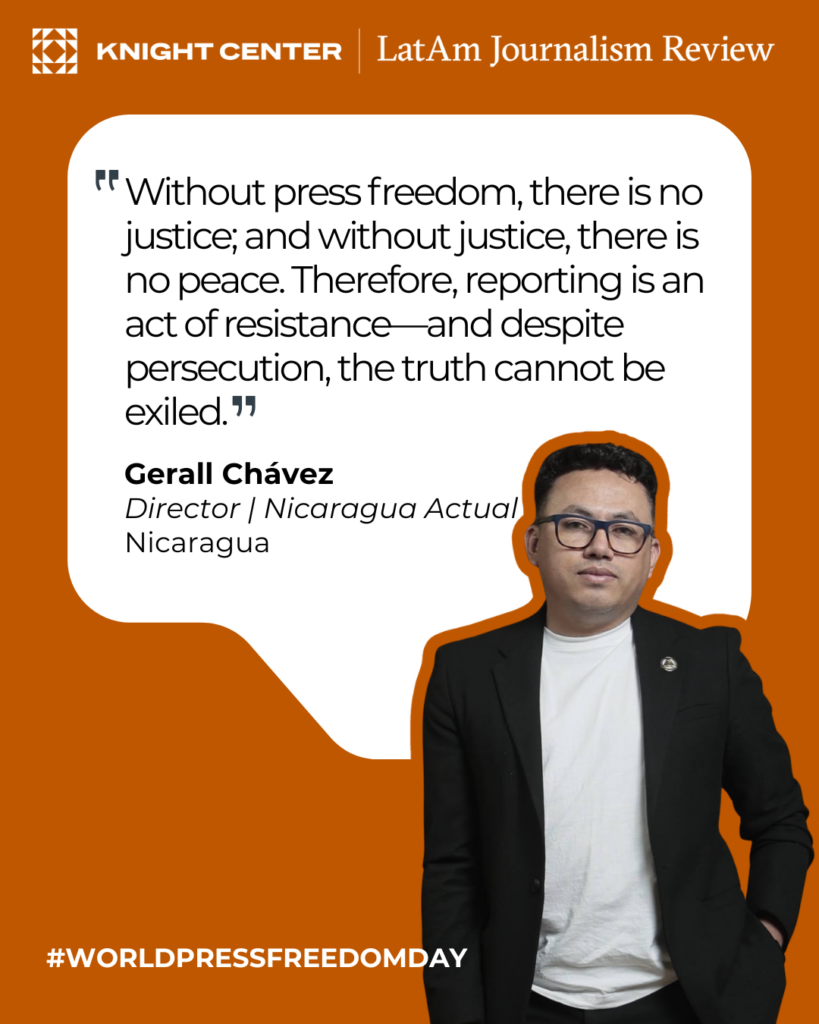
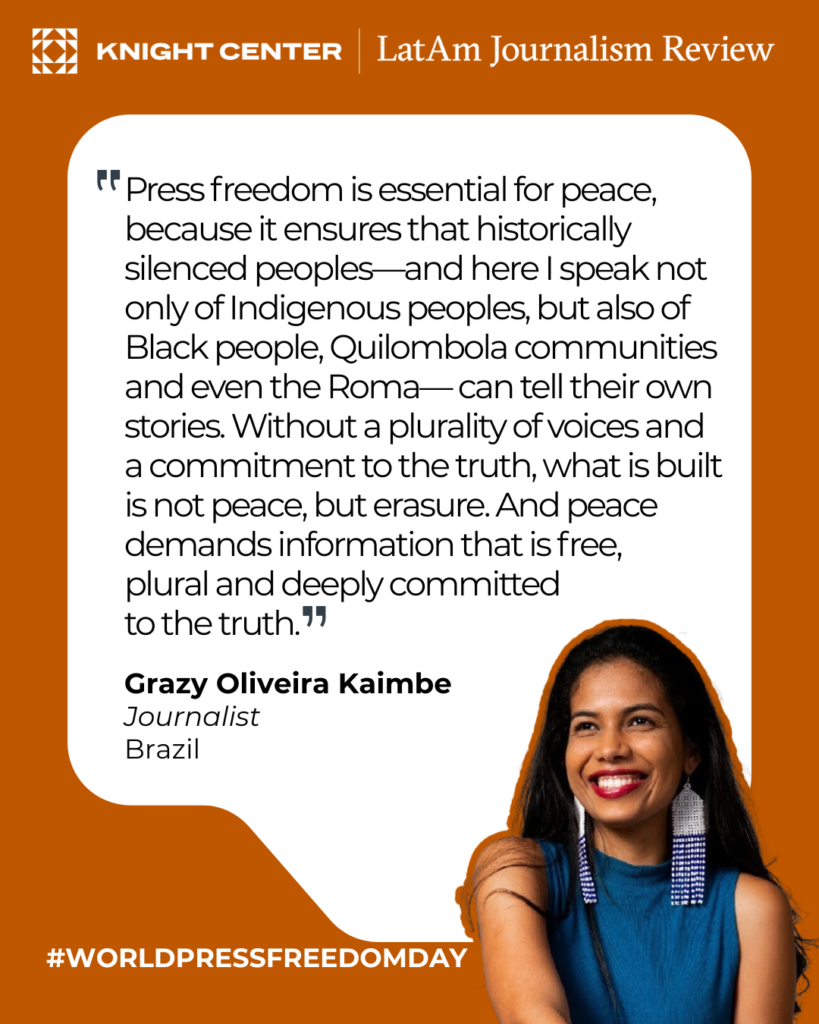
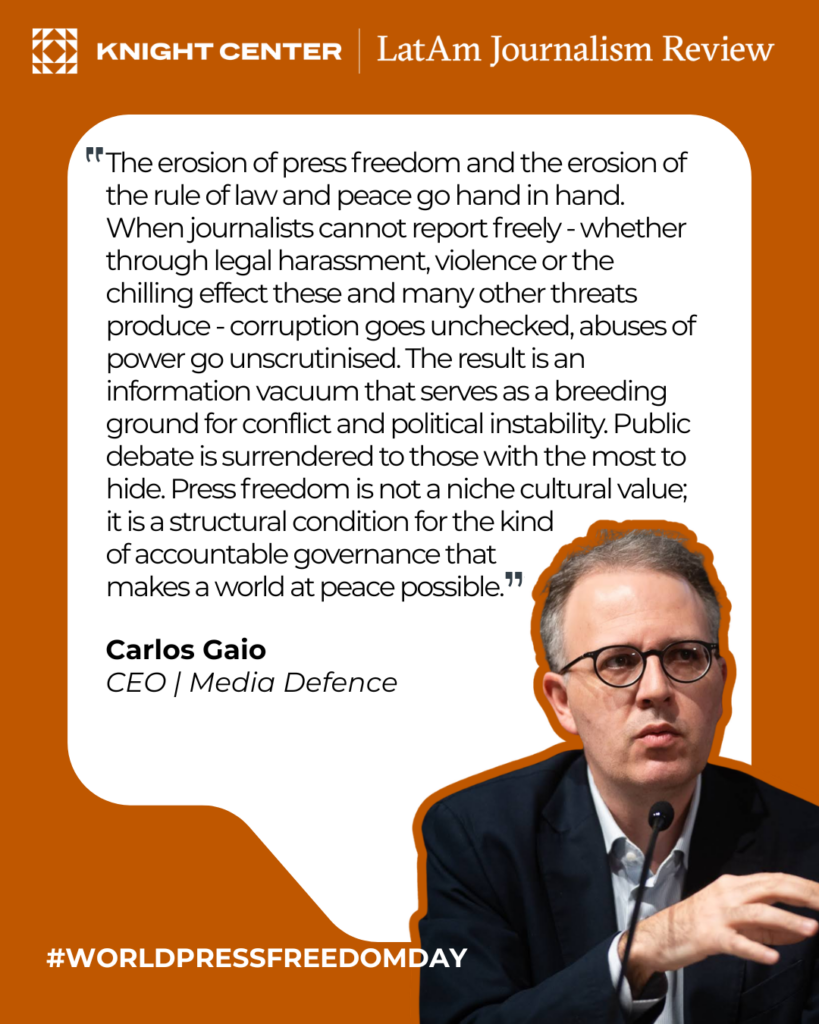
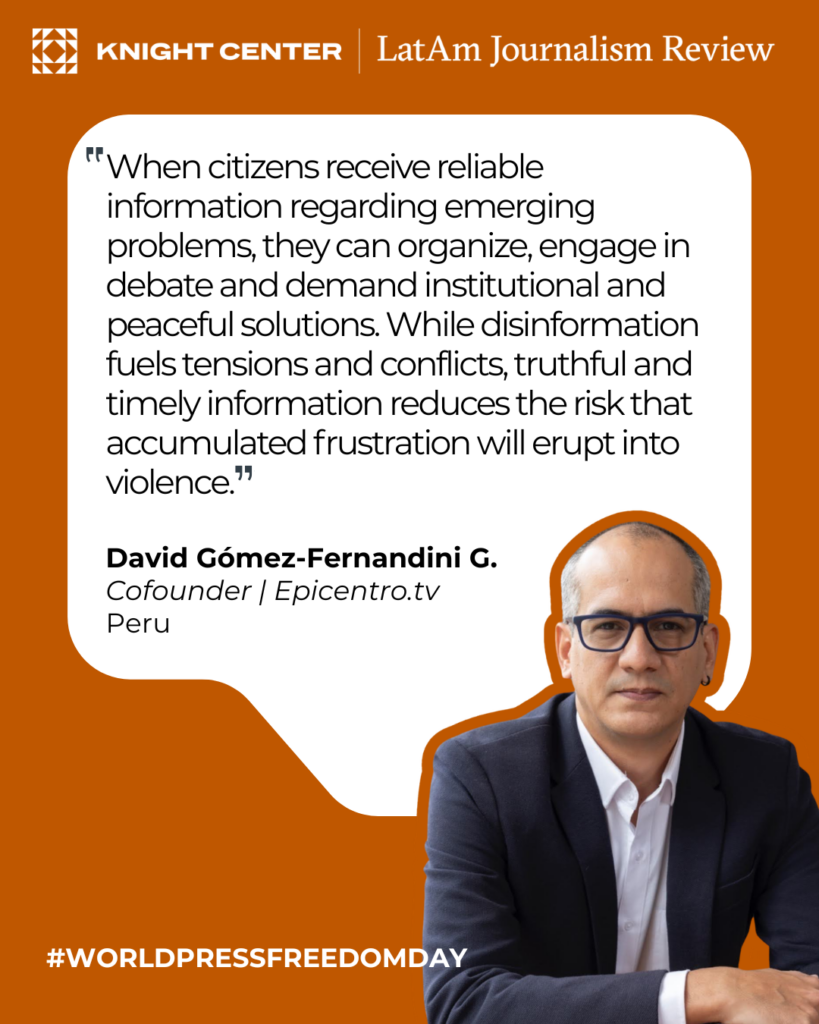
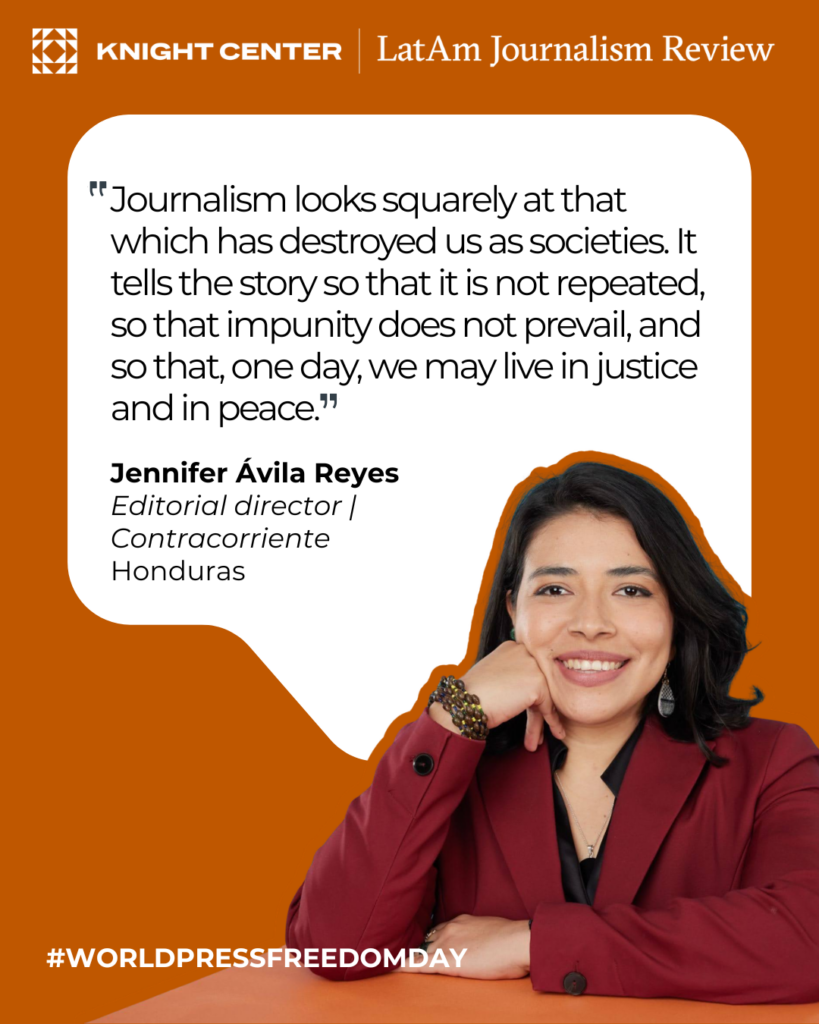
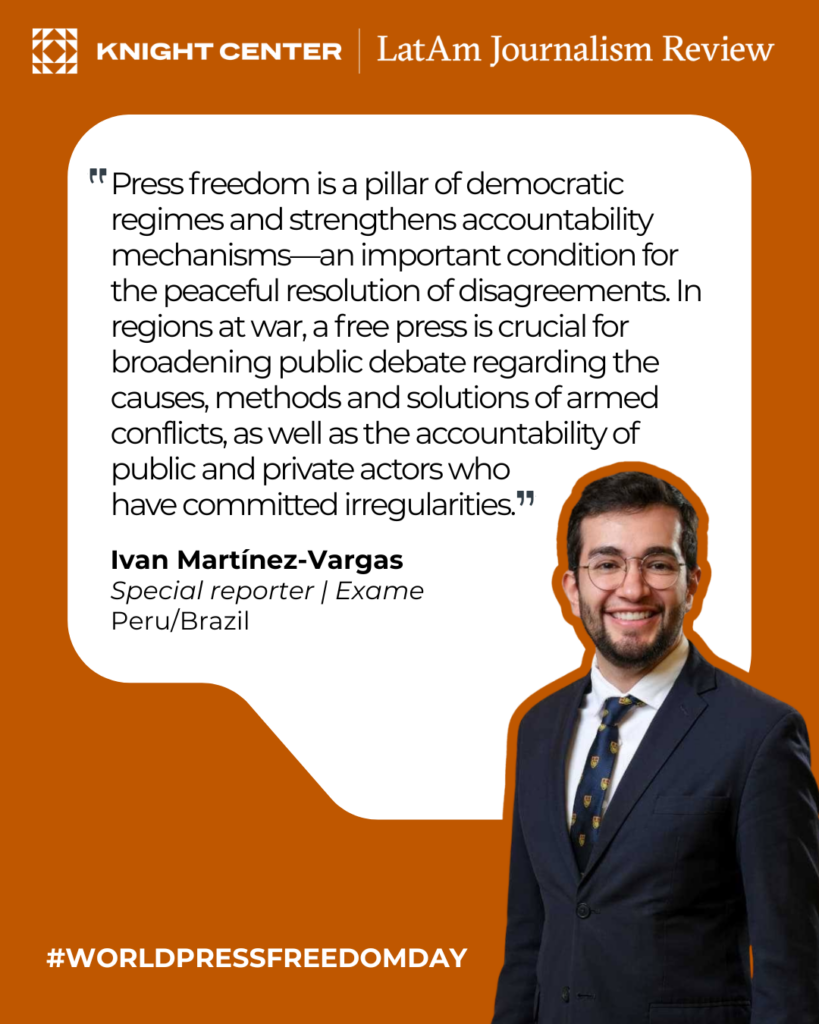
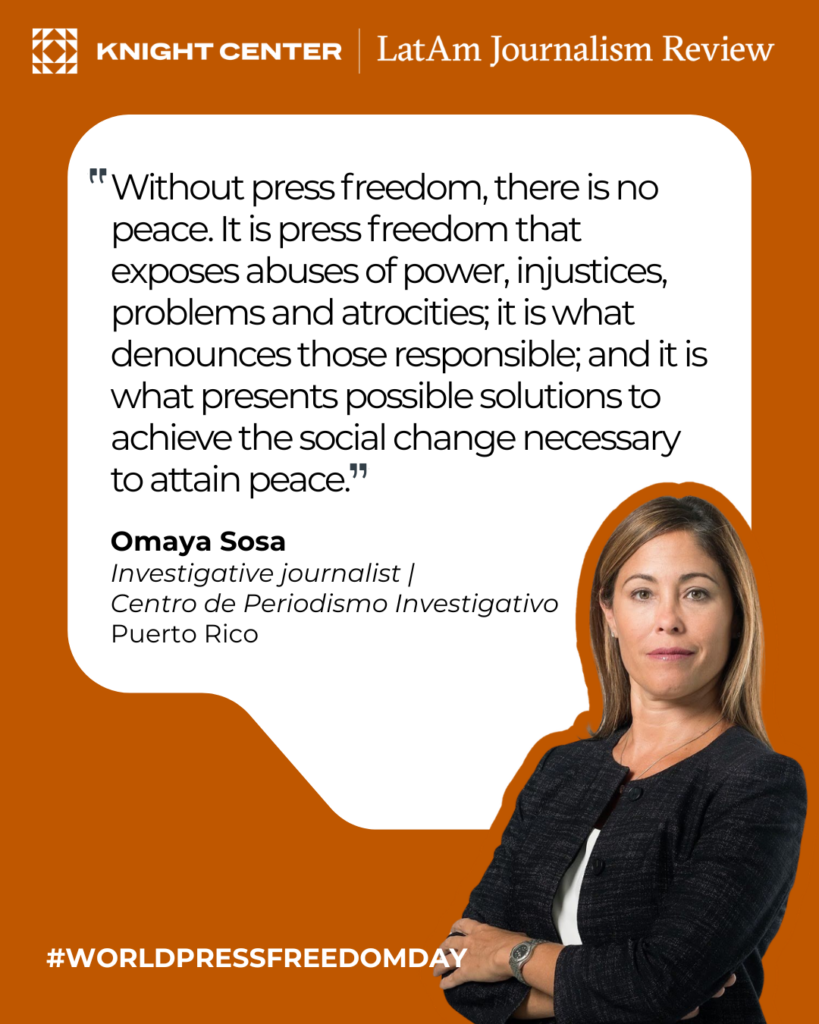
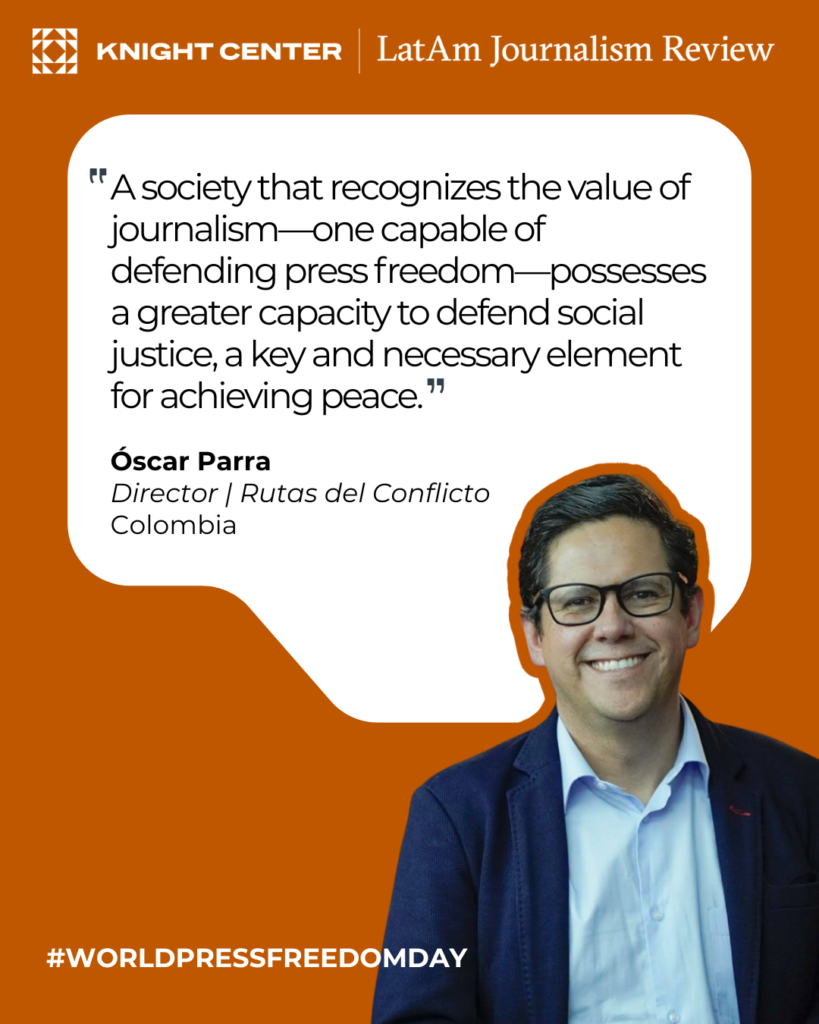
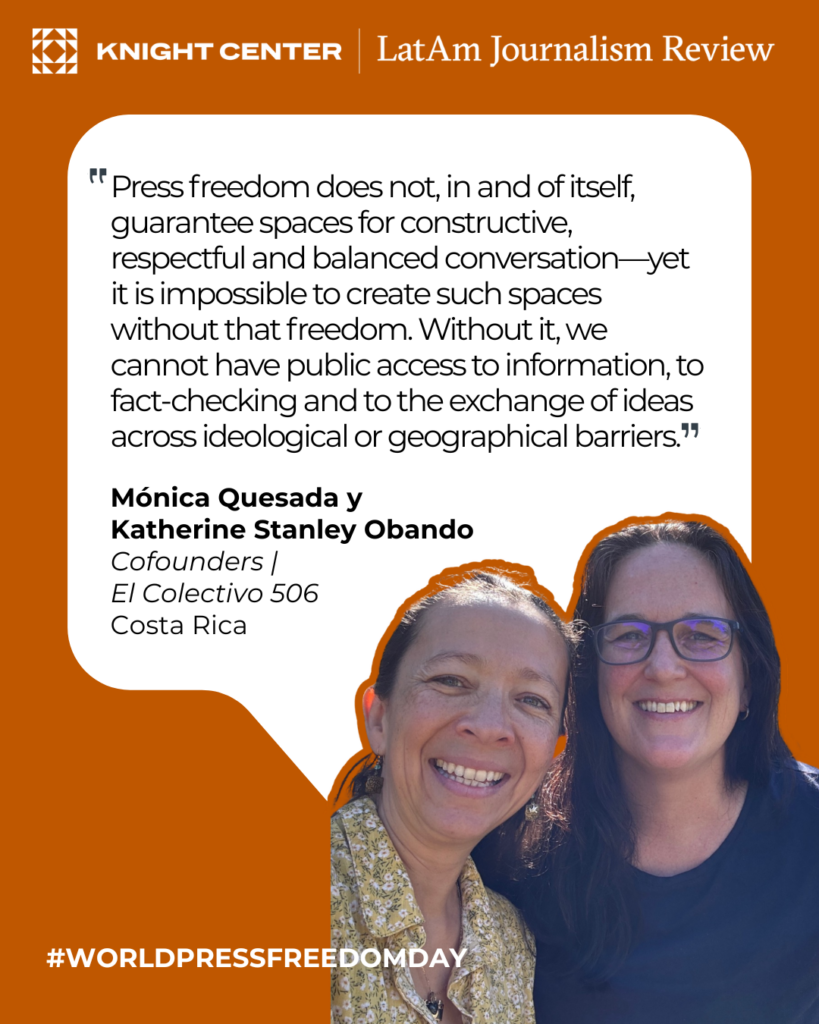
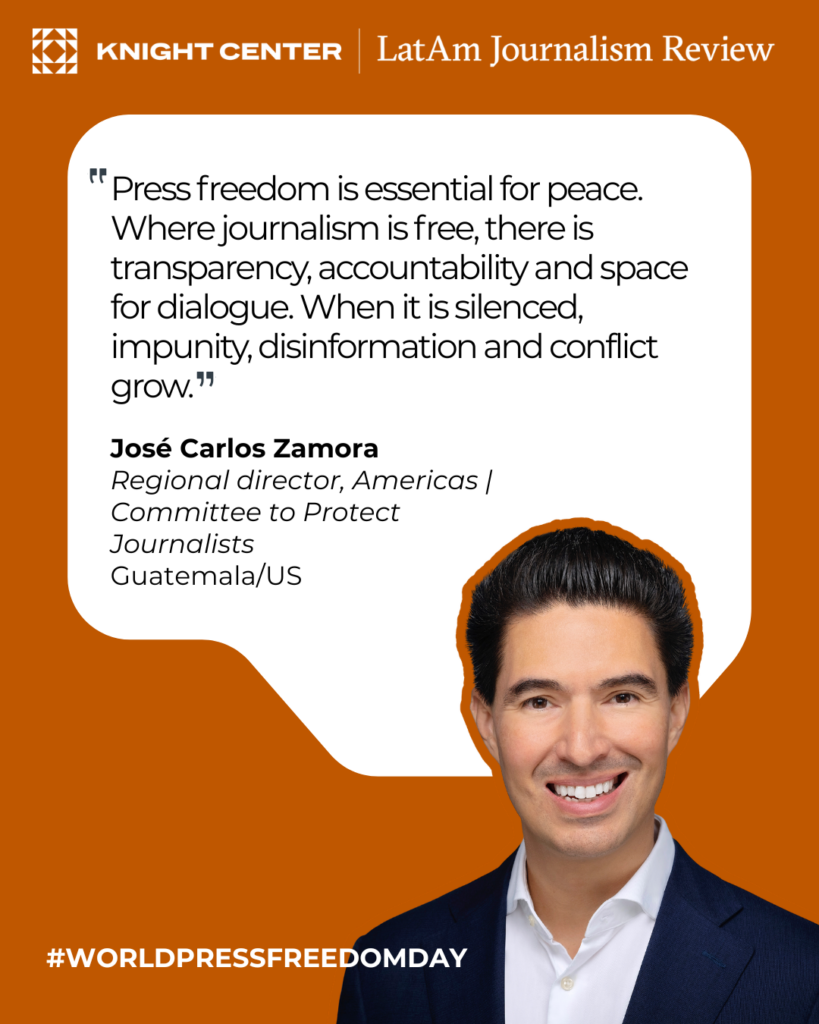
Keeping in mind the theme for this year’s World Press Freedom Day conference, the writers at LatAm Journalism Review (LJR) asked journalists and other experts from Latin America and the Caribbean a simple question: “What is the relationship between press freedom and peace?”
From Haiti to Venezuela, we heard from reporters, press advocates, professors and media executives. Some reporters are working in newsrooms, others independently. Some are in countries with relative freedom to do their work, others have been forced into exile by repressive governments.
Their responses – edited for clarity and brevity – are below. You can also find them on LJR’s social media accounts on X, Facebook and Instagram.
We invite you to join the celebration. Add your response to our question using #WorldPressFreedomDay #PressFreedom. Please don’t forget to tag us.