

Media outlets and content creators are turning to "algospeak"—the alteration of words or the use of euphemisms—to maintain visibility and evade algorithmic restrictions.

Journalists at La Silla Rota in Mexico developed a tool that cross-references metrics and trends to decide what to cover and how.
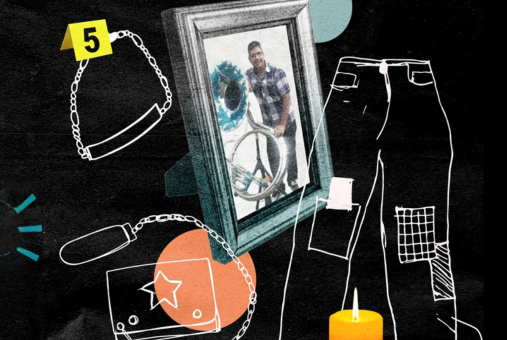
“Las prendas hablan,” a project developed by journalists and hackers in Mexico, turned images of abandoned clothing into a searchable catalog for families, and a record of questions ignored by the justice system.

Through letters, prison visits and requests for access to information, Belgian journalist Arthur Debruyne investigated a Mexican drug trafficking arm starting with a case in Europe.

Independent journalist Reyna Haydee Ramírez describes how confronting two Mexican presidents at their morning press conferences has led to stigmatization and online abuse.
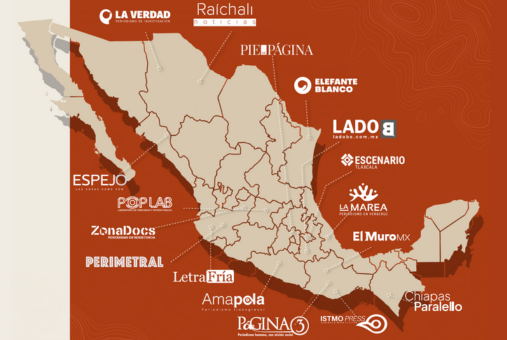
Seventeen independent media outlets from 12 Mexican states have formed the Territorial alliance to address challenges facing local journalism and reconnect with audiences.
The region recorded at least 17 killings, with Mexico the deadliest country. Experts say vitriol from authorities and entrenched impunity continue to fuel the attacks.

Mechanisms that once guaranteed access to public information have been dismantled in Mexico. Media and technology organizations are teaching young journalists to fill the gap.

Disinformation experts from Brazil, Mexico and the U.S. explain why journalists must join the fight and help their audiences prevent fraud.

Historian Andrew Paxman’s new book traces the evolution of Mexico’s critical press — from its emergence in the 1990s to the political, criminal and financial pressures that now threaten it.
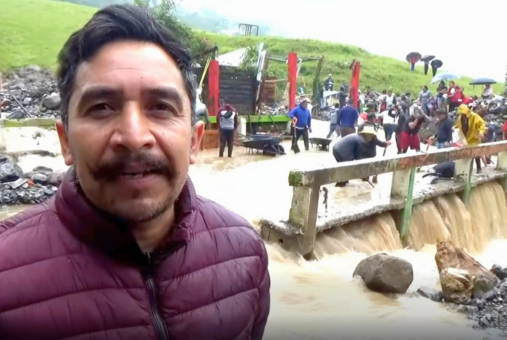
When floods left towns in central Mexico without power or internet, local reporters turned their newsrooms into hubs of communication, even as they themselves faced loss and isolation.

With help from MediaFact Latam’s mentorship program, outlets with scarce resources are building flexible teams to take on bot farms and fake videos.