
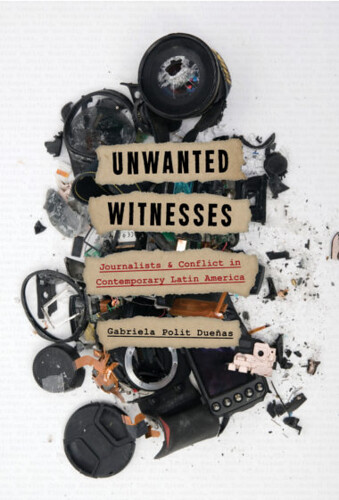
In her book, in addition to analyzing this narrative process, she delves into the work of journalists Marcela Turati, Daniela Rea and Sandra Rodríguez Nieto from Mexico, Patricia Nieto from Colombia and María Eugenia Ludueña from Argentina. Polit also carried out various ethnographic interviews with journalists during her investigations.
As democracy has weakened globally over the last quarter century, local authoritarians became the chief threat to journalists, a condition many Latin Americans will recognize.
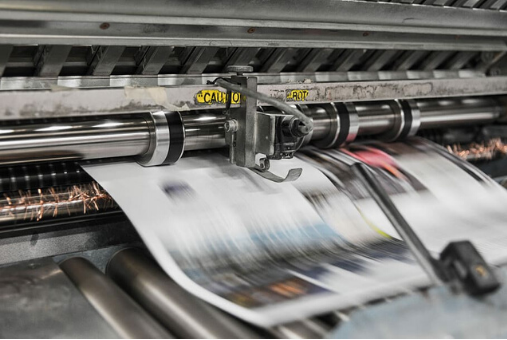
A report by Reporters Without Borders (RSF, for its initials in French) on obstacles to the distribution of print journalism in 90 countries highlighted Mexico as one of the “champions in obstructing the dissemination of newspapers and magazines.”
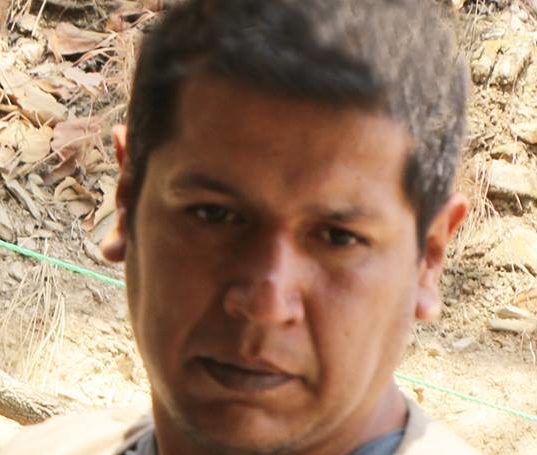
The body of journalist Nevith Condés Jaramillo was found in a home in the municipality of Tejupilco in the State of Mexico on the evening of Aug. 24. He suffered four stab wounds, Milenio reported.
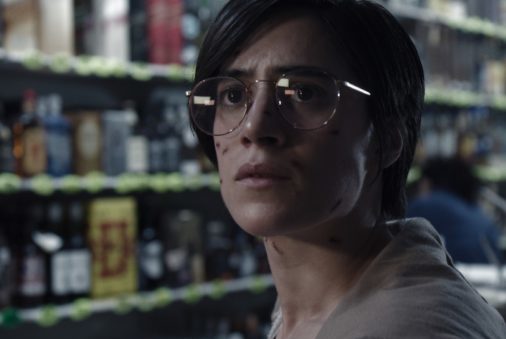
“Tijuana,” a recent television series from Netflix and Univision, plunges into that reality to show an international audience what it means to practice independent journalism in Mexico.