

After an investigation, three Venezuelan journalists realized the best way to help journalism in Venezuela's Amazon region would be through a network that promotes collaboration and produces coverage that is conscious of both the environment and human rights.

The Network for Diversity in Latin American Journalism held its third online conference, during which speakers from eight countries emphasized taking an intersectional approach on covering diversity issues. They also highlighted the need to provide outlets for multiple voices in reporting.

The Network for Diversity in Latin American Journalism (REDIPE in Spanish) is organizing the third Latin American Conference on Diversity in Journalism, a free online conference, on Oct. 20 and 21, 2023. The event will focus on five main topics focused on furthering diversity, equity and inclusion in the profession and coverage.
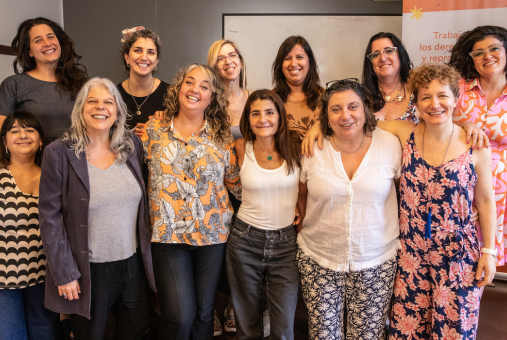
Four years after the appointment of Mariana Iglesias at the Argentine newspaper Clarín, gender editors are promoting changes in news coverage, working to consolidate their positions and facing unprecedented online violence. LatAm Journalism Review spoke with gender editors in four countries to understand the current status of these professionals in the region.

In 2022, the year of one of Brazil's most fiercely contested elections, the Brazilian Association of Investigative Journalism (Abraji) recorded 557 cases of aggression against journalists, with 26% involving some form of gender-based violence. Among this group, 5% were episodes of sexual violence. Journalists targeted in these attacks spoke about the impact on their work and personal lives.
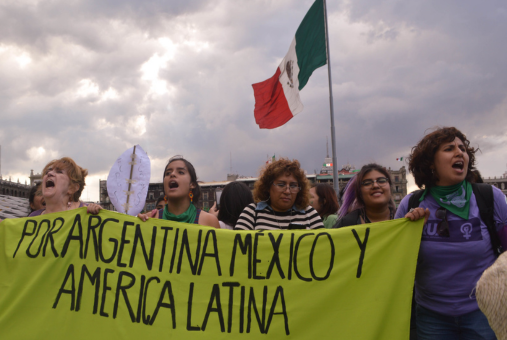
A collection of studies on the coverage of violence against women in the Global South found advances in Argentina and Mexico, while in Brazil race and class biases stood out. The volume's co-editor told LJR she hopes the work will highlight how journalistic coverage is connected to this huge systemic global problem.
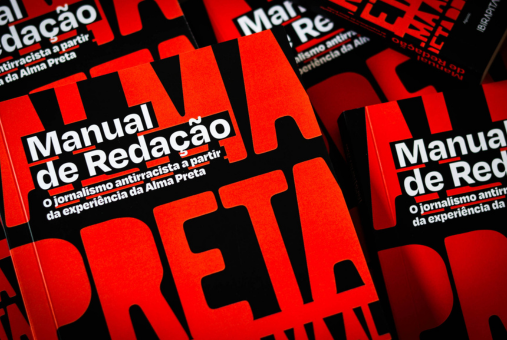
The Brazilian racial-focused outlet Alma Preta unveiled its first style guide after over three years of labor. Titled "Writing manual: Anti-racist journalism based on the Alma Preta experience," it encapsulates the outlet's journalistic ethos, from news value criteria to anti-racist angles and stylistic recommendations.
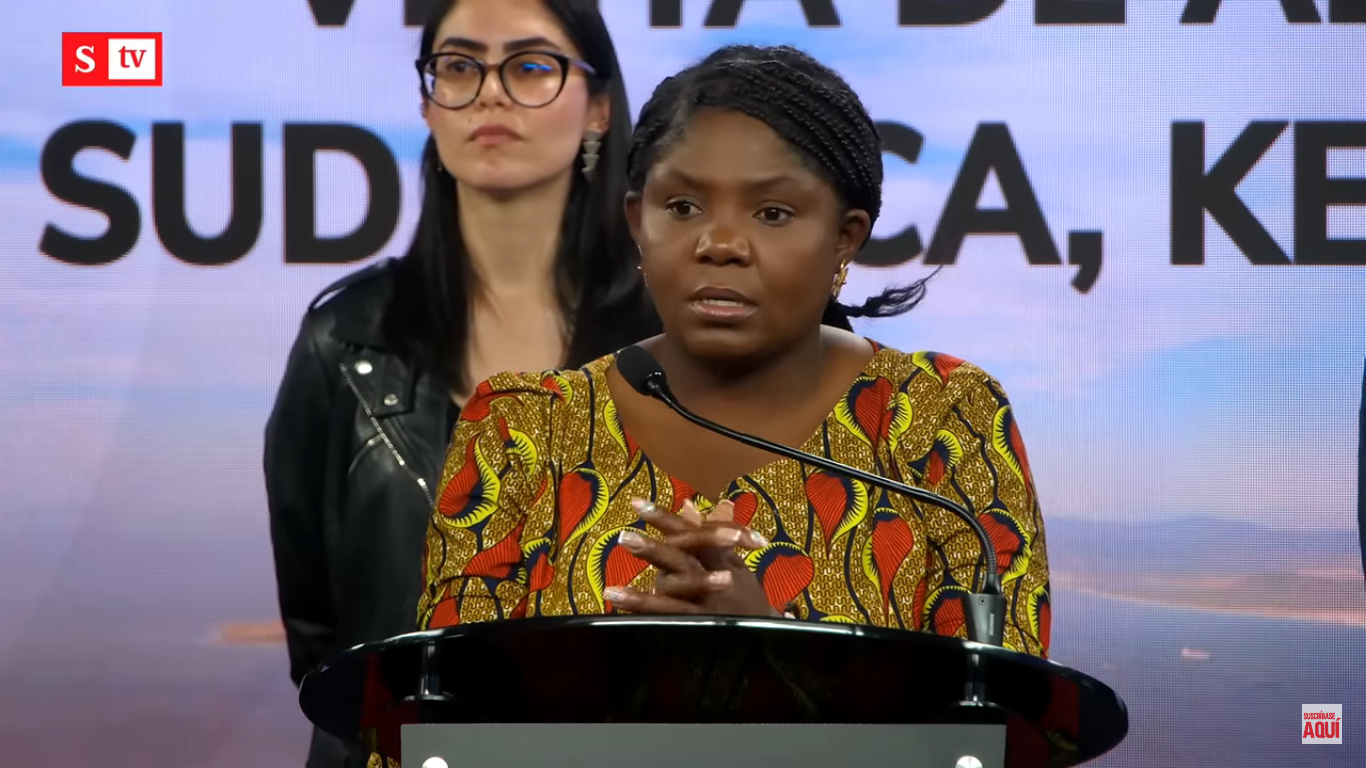
An Afro-Colombian journalist, Beatriz Valdés Correa, won the 2023 Gabo Award in the text category for an investigation on the situation of Afro-Colombian women victims of sexual violence in the context of the armed conflict. How does the Colombian media cover the facts about the Afro-Colombian population and its vice-president Francia Márquez?
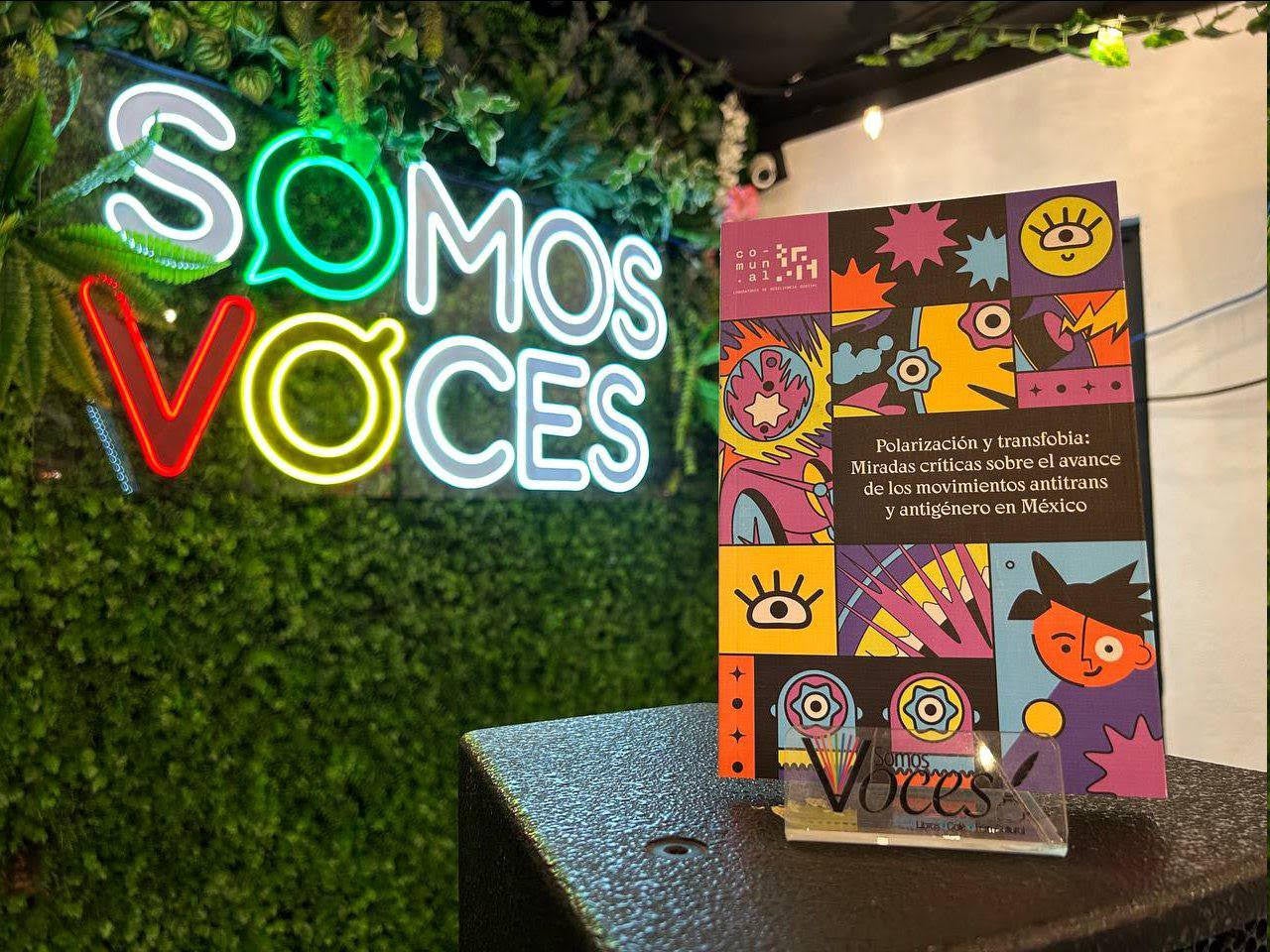
Despite recent gains in LGBTQ+ rights, hate narratives persist in Mexican media, according to an interdisciplinary report. The authors emphasize the need for inclusive newsrooms and authentic representation to combat transphobia, while telling stories of both ordinary people and those fighting for greater visibility and human rights.
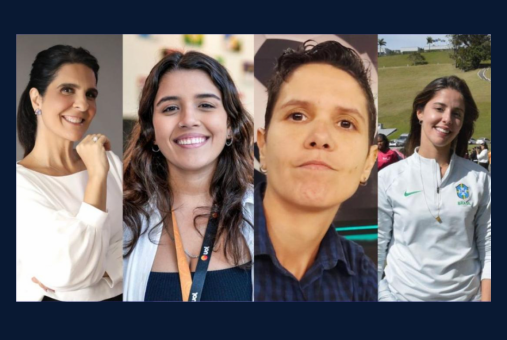
Brazil's female sports journalists are not only gaining more and more space in the media, but have also achieved greater coverage of women's sports. Although there is still a long way to go, the Women's World Cup is the best opportunity to consolidate what has been achieved so far.

The third webinar of the second series organized by the Network for Diversity in Latin American Journalism offered ideas to improve coverage of gender-based violence without revictimizing or seeking approaches that can prevent it. Journalists Lydiette Carrión and Leila Mesyngier, moderated by Pilar Cuartas, offered best practices.
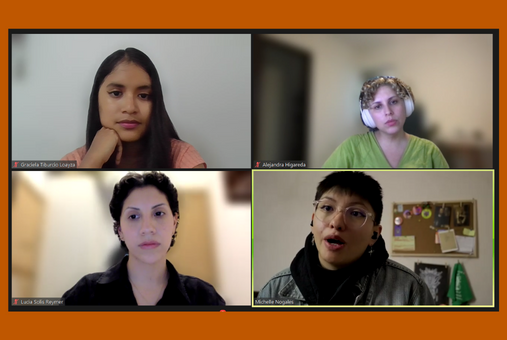
The second webinar of the new series promoted by the Network for Diversity in Latin American Journalism was dedicated to deconstructing myths about feminist journalism. Michelle Nogales (Bolivia), Alejandra Higareda (Mexico) and Graciela Tiburcio Loayza (Peru), moderated by Lucia Solis (Peru), shared insights and reflections based on their trajectories as feminist journalists.